


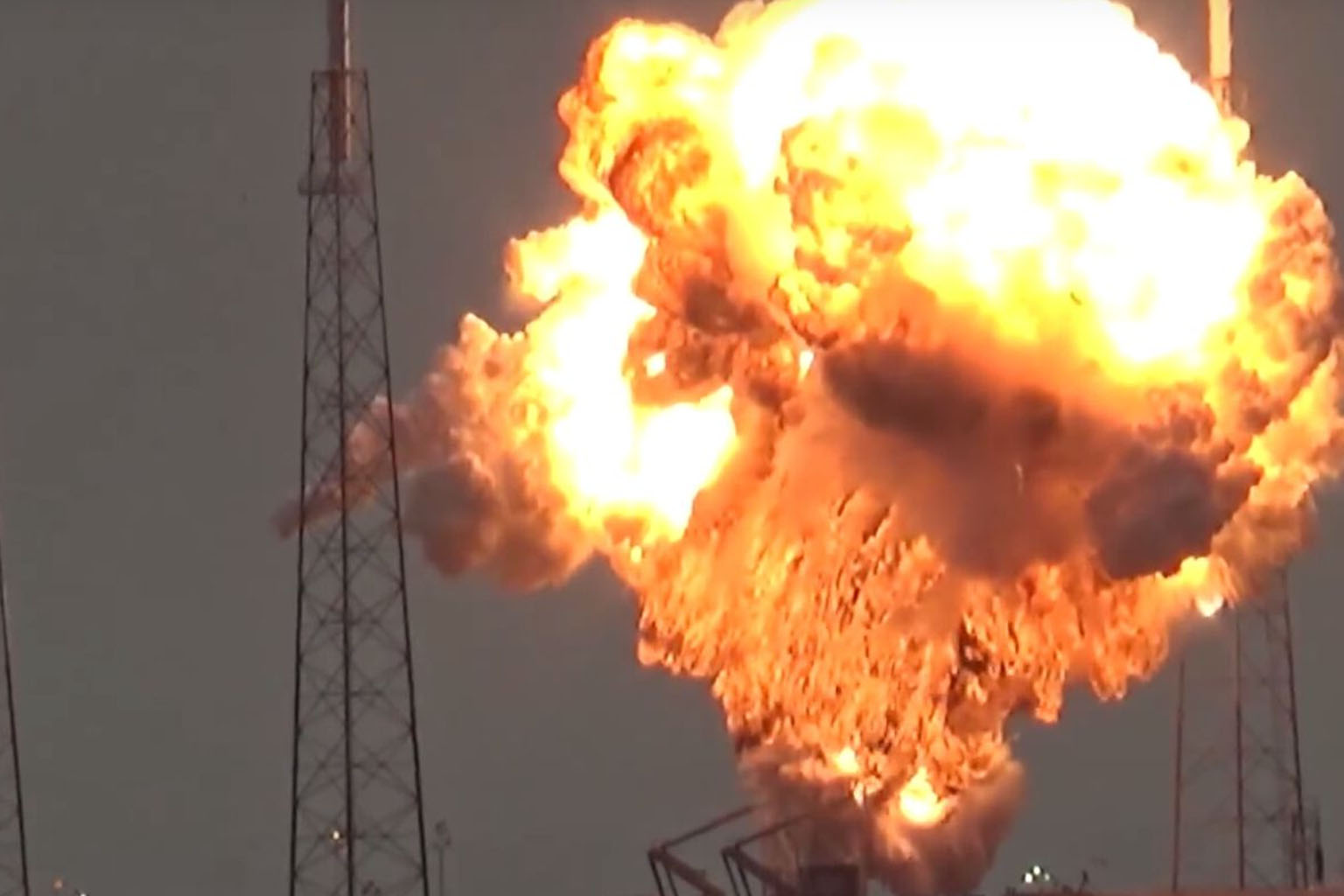
When a SpaceX Falcon 9 rocket exploded spectacularly on a launch pad in 2016, the event shocked the space industry and sparked a wave of speculation. Elon Musk, SpaceX’s visionary CEO, didn’t settle for a simple technical fault explanation. Instead, he put forward a bold and unexpected theory — that a deliberate act of sabotage from a rival could have triggered the disaster.
The Falcon 9 Explosion That Shook the Space Sector
The fiery destruction of the Falcon 9 rocket on September 1, 2016, destroyed the Amos-6 satellite and set back SpaceX’s ambitious plans. This incident grabbed headlines not just because it was a major operational blow but also because of Musk’s unusual suspicions. The explosion happened amid an intense rivalry with United Launch Alliance (ULA), a joint venture between aerospace giants Boeing and Lockheed Martin, making the stakes extremely high.
Elon Musk suggested that a “sniper” positioned on a nearby building might have shot the rocket, causing the blast. This theory reached the ears of multiple agencies and sent SpaceX engineers into a frenzy of testing to see if a bullet could indeed rip through a Falcon 9’s super-chilled tanks — which are vulnerable due to their pressurized nature.
Musk’s Sabotage Theory: Serious or Speculative?
According to reports from Futurism, Musk’s claim was that the sniper hid on the rooftop of a ULA building approximately a mile away. He ordered a thorough probe, even as he was in California, to explore all possibilities, including foul play. SpaceX conducted their own tests, replicating conditions to examine if a bullet strike was viable — an approach that revealed impressive internal diligence under pressure.
The FBI got involved but later publicly declared there was “no indication of sabotage or any criminal activity.” Despite this, Musk’s willingness to investigate such an extreme idea shows the kind of high-stakes environment and relentless ambition driving SpaceX in its early days of commercial spaceflight.
Official Findings and Technical Causes
The FBI’s conclusion aligned with SpaceX’s internal investigation, which attributed the disaster to a technical failure involving the rocket’s handling of super-chilled helium — a practice known as “fast-flow” helium loading. This process stresses the pressurization system, and flaws in procedure likely caused the structural failure leading to the explosion.
Eric Berger, a respected journalist with Ars Technica, provided insights after a Freedom of Information Act request revealed detailed findings. The information underscores how rapidly SpaceX was pushing technology boundaries at the time. Experts believe the incident highlights the delicate balance between innovation speed and operational safety — a challenge for all cutting-edge aerospace firms.
The Rivalry Fuels the Drama
Tensions between SpaceX and ULA had already been high prior to the explosion. SpaceX had challenged ULA’s monopoly by suing the U.S. Air Force for allegedly unfair contract awards. In this high-pressure context, Musk’s theory amplifies the sense of a corporate “space race” with real-world stakes.
After a 2015 Falcon 9 failure, the 2016 explosion further raised concerns about SpaceX’s reliability, threatening their role in NASA’s commercial crew program. Yet, these setbacks did not stop SpaceX. They overtook ULA in launch volume by 2017 and made history in 2019 as the first private company to send astronauts to the International Space Station.
This dramatic rivalry and Musk’s sensational theory make for a captivating chapter in modern spaceflight history — one that highlights the intense pressure innovators face and the extraordinary lengths they will consider to uncover the truth.
SpaceX Falcon 9 rocket, rocket explosion theories, Elon Musk sabotage hypothesis, Amos-6 satellite loss, super-chilled helium loading, FBI sabotage investigation, SpaceX versus ULA rivalry, commercial spaceflight challenges, NASA commercial crew program, rocket structural failure, advanced aerospace innovation, private space launch providers, dynamic space industry competition.
What do you think about Musk’s theory on the Falcon 9 blast? Did SpaceX’s innovative push make them vulnerable, or was it all just speculation driven by rivalry? Share your thoughts and join the conversation below!