


Which animal dominates the world’s milk supply, and what’s behind this global dairy phenomenon? The answer shapes billions of breakfasts every day and reveals fascinating truths about agriculture, animal welfare, and environmental impact. Let’s dive into the story of the giant milk producer that rules the global dairy landscape.
The unrivaled champion: cattle and their milk supremacy
When it comes to milk production worldwide, cattle stand head and shoulders above all other animals. According to the Food and Agriculture Organization (FAO), cows generate a staggering 81% of all milk produced globally, making them the linchpin of dairy farming in virtually every continent. This dominance is no accident: it’s rooted in cows’ remarkable adaptability to diverse climates, their ability to thrive in temperate, tropical, and even mountainous regions, and selective breeding.
One breed shines above the rest — the Holstein cow. Originating from the Netherlands, Holsteins are recognized as the most productive dairy breed on the planet. On average, a Holstein produces about 8,200 kilograms (18,000 pounds) of milk in a lactation period, with some exceptional individuals exceeding 12,000 kilograms (26,000 pounds). In dairy hubs like Quebec, Canada, Holsteins compose 90% of the herd, a testament to their unparalleled efficiency supported by mechanized farming and nutrient-rich diets.
Other players in global milk production and their roles
While cows dominate, they are not the only contributors to the world’s milk basket. Buffaloes provide roughly 15% of the global supply, playing a vital role especially in South Asia, in countries such as India and Pakistan where buffalo milk is a dietary staple. Meanwhile, goats, sheep, and camels contribute smaller but significant shares—2%, 1%, and 0.4% respectively.
Notably, camels thrive in arid zones across Asia and Africa where other dairy animals would struggle, demonstrating the diversity of dairy farming adapted to local environments. These animals fulfill essential cultural and nutritional roles in their regions, often within traditional, small-scale farming systems.
The hidden cost of high milk yields in dairy cows
The rising milk production in cows is striking but comes with profound challenges. PETA France reports that dairy cows today produce nearly three times more milk than they did in 1970 due to advances in genetic selection and nutrient-dense diets. However, this increased productivity has a downside for animal welfare.
High-producing cows often suffer from udder infections (mastitis) and lameness caused by prolonged standing on hard surfaces. Emotional stress is another concern, especially because calves are typically separated from their mothers within hours of birth. These pressures cause cows to age prematurely and be slaughtered around age six, far short of their natural 25-year lifespan.
These welfare issues raise questions about milk quality, with critics highlighting potential contamination from pus and bacteria. Additionally, the environmental footprint is considerable—the dairy sector accounts for approximately 4% of global greenhouse gas emissions, intensifying concerns about sustainable food production.
Diverse dairy farming systems across the globe
Milk production methods reflect local conditions and traditions. The pastoral system, which relies primarily on grazing animals on natural pastures, accounts for about 9% of world milk output. This system is common in challenging terrains such as mountains and savannas. For example, traditional dairy farms in the French Alps maintain this age-old practice.
The mixed system, which combines grazing with cultivated forage crops and concentrated feed, dominates—making up about 81% of global milk production. It provides a stable year-round output and is typical in Europe, including France, where most family farms use this sustainable model.
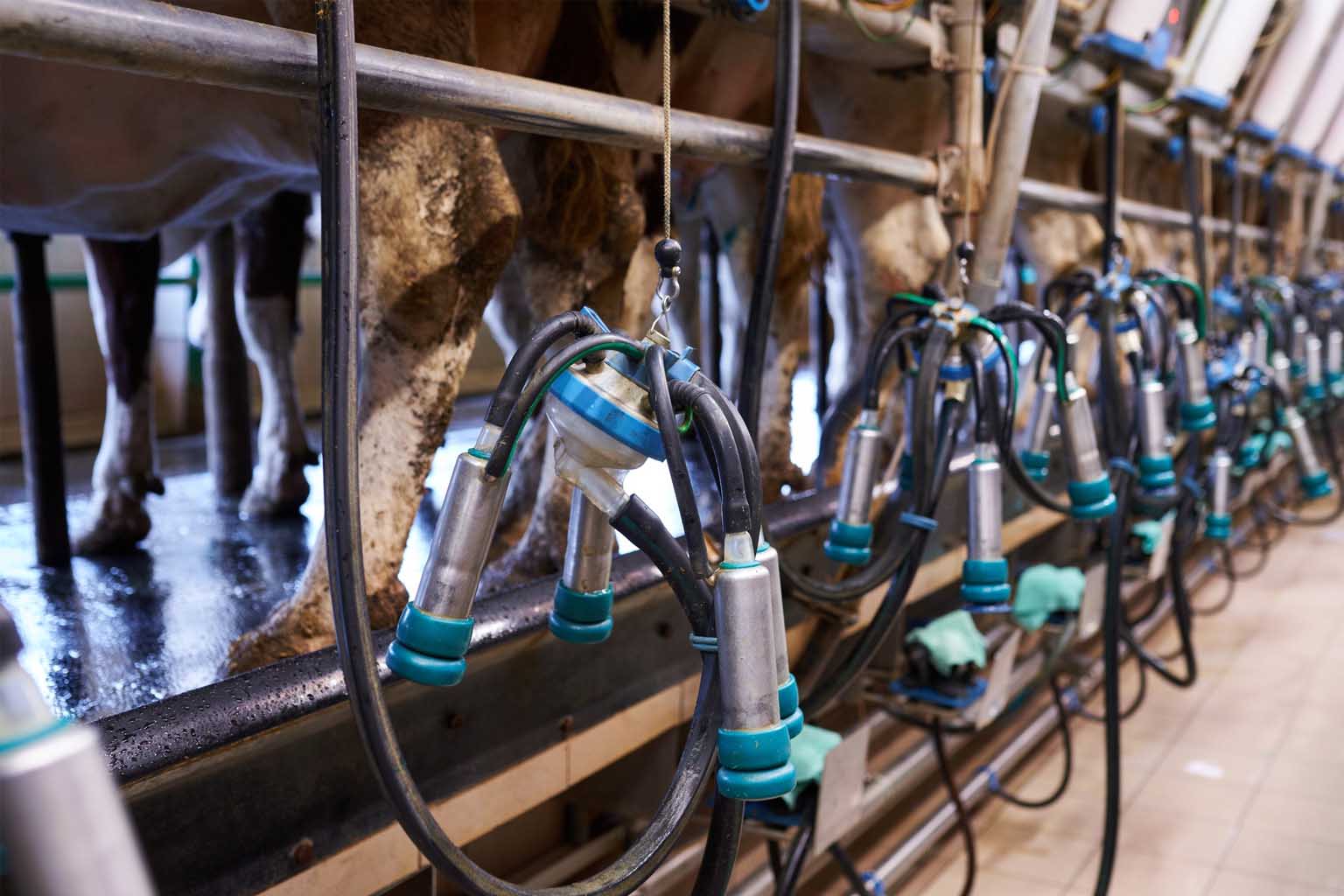
In contrast, the industrial system encompasses large-scale “mega-farms” that raise thousands of cows confined indoors and fed mainly purchased feeds. Though this method can drive milk yields past 15,000 liters (about 4,000 gallons) per cow annually, it severs the link between milk and natural ecosystems. Countries like China, the U.S., and Israel see the fastest growth in these factory-style farms.
Family-run mixed farms remain the backbone of European dairying, preserving a balance between productivity and ecological considerations—even as industrial methods rise worldwide. Farms are also shifting away from pasture grazing toward increased use of silage and hay, typically grown on-farm, to feed their herds.
“Dairy cows today are a marvel of modern agriculture but face mounting health challenges amidst growing industrialization,” explains Dr. Emma Johnson, a veterinary scientist specializing in dairy animal welfare.
Understanding the future of milk production
The story of the giant milk producer—the cow—is one of innovation, cultural significance, and complex challenges. As global demand for dairy grows, it’s crucial to balance high yields with animal welfare and environmental sustainability.
According to a 2023 report from the Food and Agriculture Organization, innovations in sustainable farming and improvements in animal health could chart a more ethical path ahead. Strategies that integrate grazing, reduce environmental footprints, and enhance cow health are gaining attention, proving that responsible dairy farming is attainable.
The worldwide dominance of cows in milk production is intertwined with history, science, and economics. Whether it’s the hardworking Holstein in North America or the resilient buffaloes of South Asia, the story behind the milk in your glass is richer than you might have imagined.
What do you think about the balance between dairy productivity and animal welfare? Have you noticed changes in how dairy products are sourced in your region? Share your experiences and insights in the comments below or share this article with friends interested in the origins of their food. Your voice matters in shaping the dairy industry’s future.