


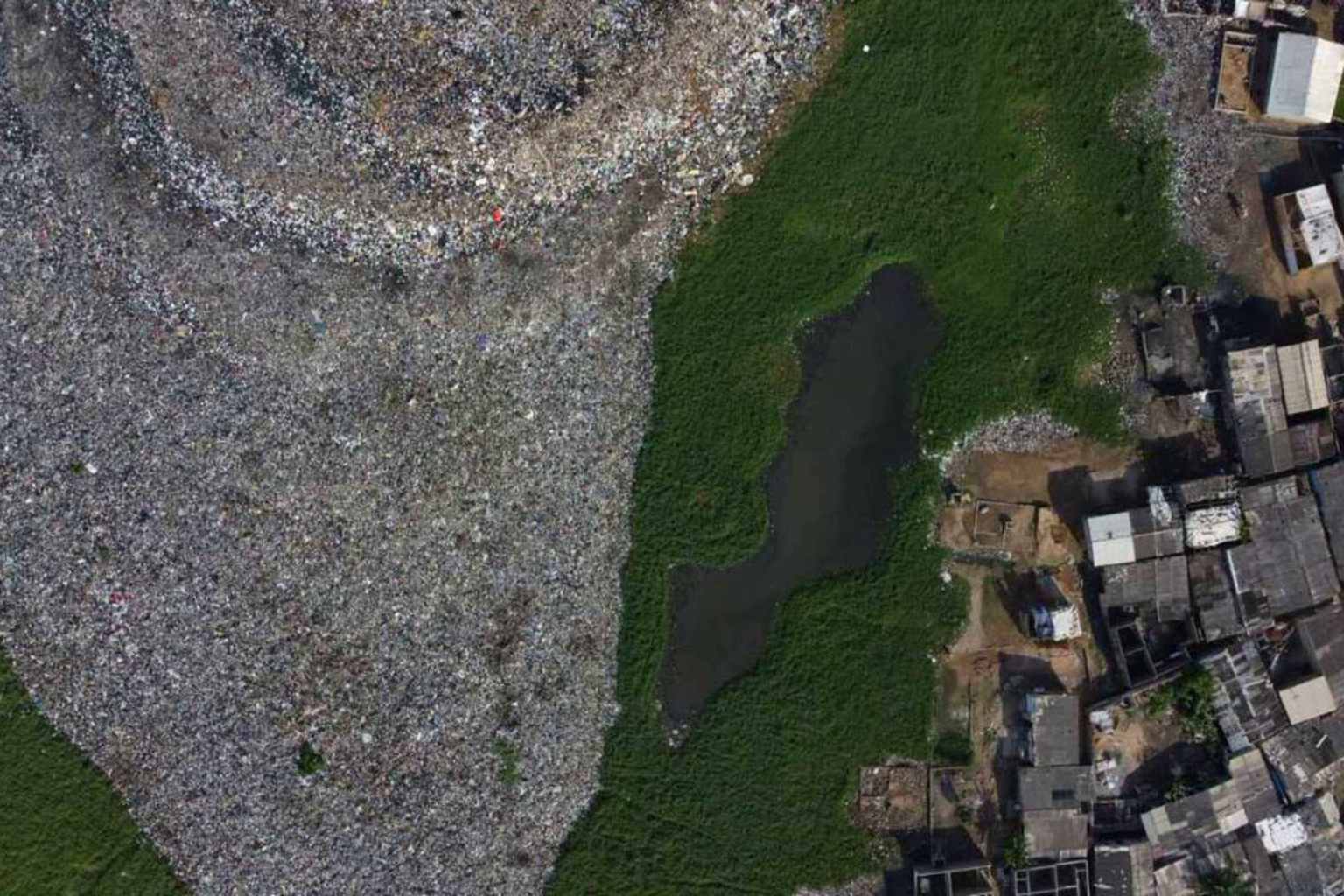
New revelations uncover a shocking environmental crisis: discarded clothing from top British brands is being dumped in the protected wetlands of Ghana, threatening fragile ecosystems and local communities. This growing concern exposes the dark side of fast fashion waste, spanning continents and exposing the urgent need for global accountability.
As a senior web editor specializing in environmental issues, I want to break down the facts behind this story and explore why the UK’s textile waste trade is causing powerful ripple effects far from home.
British fast fashion trash polluting Ghana’s wetlands
A recent investigation by Unearthed and Greenpeace Africa has shed light on a disturbing trend: tons of discarded clothing from major British brands like Marks & Spencer, George at Asda, and Next are being dumped in Ghana’s Densu Delta wetland. This area is internationally recognized as a Ramsar site, protected for its delicate mangroves, marshlands, and salt flats, which provide habitat for over 50 bird species and endangered sea turtles such as the olive ridley, leatherback, and green turtle.
But this isn’t an isolated incident. Clothes from global fast fashion giants Zara, H&M, and Primark have also been found piled alongside riverbanks near Accra, highlighting a systemic failure in handling textile waste. Instead of being responsibly recycled or reused, huge volumes of unusable clothing are ending up as toxic trash, putting vital ecosystems at severe risk.

Ghana becomes the world’s dumping ground for textile waste
Ghana receives approximately 16.5 million used garments weekly, mainly from the northern hemisphere. In 2024 alone, the UK exported over 62,800 tons of textile waste to Ghana, making it the leading contributor. Unfortunately, nearly 40 percent of this clothing is deemed unusable, often dumped illegally.
The country’s main landfill for such waste, situated at Kpone and partly funded by the World Bank in 2013, was designed to function for a decade but collapsed within just five years due to the overwhelming influx. In 2019, a massive fire fueled by synthetic fibers in this landfill destroyed large areas, burning for eight months and releasing harmful pollutants into the atmosphere.
With official dumpsites overwhelmed, informal and uncontrolled dumping has spread, including into environmentally sensitive places like the Ramsar-listed Densu Delta wetlands. These dumping sites have no pollution containment measures, leading to soil and water contamination that endangers wildlife and local populations alike.
Ecological and human impacts of textile pollution
The dumped clothes often contain synthetic materials such as polyester and nylon, which break down into microplastics and leach toxic substances like per- and polyfluoroalkyl substances (PFAS). Paul Tiko, senior researcher at Greenpeace Africa, explained, “These chemicals accumulate up the food chain, posing risks to both aquatic life and human health.” According to a 2023 study published in Environmental Science & Technology, microplastic pollution from textile waste is linked to hormonal disruptions and chronic illnesses in exposed communities.
Local fishermen report a sharp decline in fish populations in the river delta and spend hours cleaning debris from their nets. The water quality has considerably deteriorated—now cloudy, smelly, and unsafe for drinking or irrigation. Burning discarded textiles exacerbates the issue by releasing hazardous air pollutants, worsening respiratory diseases in nearby villages.

What can be done? Towards sustainable fashion practices
This crisis highlights the global waste trade’s shortcomings and signals urgent reforms. Sustainable innovation in textile recycling, alongside stricter regulations, can turn this tide. Brands must embrace transparency and take responsibility for the life cycle of their products. Governments, particularly in exporting countries like the UK, need to enforce robust waste management policies aligned with international environmental standards.
We must also consider individual responsibility. Choosing quality over quantity, donating clothes to trusted charities, or supporting brands committed to sustainability can make a difference. As environmental writer Dr. Lisa Nguyen recently stated, “Consumer awareness is a cornerstone of change in the fast fashion industry.”
Seeing the real-world consequences of our consumption habits in Ghana’s once-pristine wetlands is a wake-up call that transcends borders. The story of textile waste is not just about discarded clothes but about preserving ecosystems, public health, and human dignity.
What are your thoughts on this unfolding environmental crisis? Have you ever wondered where your old clothes end up after donation or disposal? Share your insights and experiences below, and let’s spark a meaningful conversation about sustainable fashion choices. Don’t forget to share this article to raise awareness about this pressing issue.