


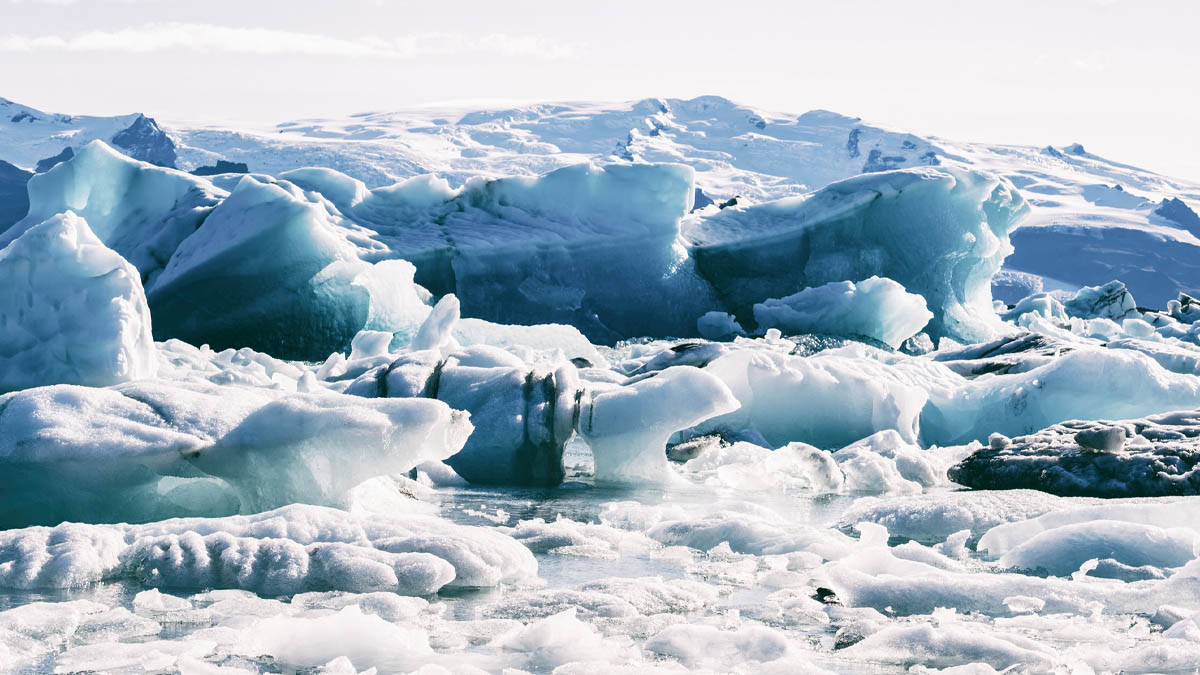
The colossal iceberg A23a is breaking apart just miles from South Georgia, threatening the island’s precious wildlife and stirring global scientific curiosity. This ice giant’s slow drift signals potential environmental upheaval, sparking concern for penguins, seals, and the entire marine ecosystem. As the world’s largest iceberg fractures into a floating debris field, experts and locals brace for the impact.
The Megaberg’s Incredible Journey
Known among polar scientists as the “megaberg,” iceberg A23a has a storied past. It calved from Antarctica’s Filchner Ice Shelf back in 1986, making it one of the oldest icebergs currently afloat. After decades trapped on the seafloor, it was freed by powerful ocean currents and has been spinning within an ocean vortex. In December 2024, it broke free of this icy prison and entered the treacherous Drake Passage, an area dubbed the “iceberg graveyard” due to its history of swallowing these massive ice bodies.
Now, A23a is headed straight for South Georgia, a remote British overseas territory located in the Southern Ocean. As of mid-May 2025, the iceberg hovered approximately 173 miles (280 km) from the island, inching closer with each passing day. The iceberg’s original size was a staggering 3,900 square kilometers (about 1,500 square miles), but it has since diminished to roughly 3,500 square kilometers — still about the size of Cornwall. Towering ice walls soar upward of 1,312 feet (400 meters), dwarfing even London’s Shard skyscraper.
Satellite Images Spotlight Disintegration
Recent satellite imagery from NASA’s Aqua satellite reveals a dramatic transformation at the iceberg’s northern edge. Large chunks of ice are crumbling and releasing a swarm of fragments into the surrounding ocean. These pieces range from massive slabs measuring a kilometer or more across to countless smaller shards. The scene resembles a galaxy of floating ice under a dark night sky, as NASA observers have described it.
The largest of these fragments, dubbed A23c, stretches over 130 square kilometers and is drifting southward, breaking off like an icy archipelago. These remnants pose a serious hazard to any ships venturing into these waters. The extensive disintegration signals how dynamic and unstable these mega-icebergs can be, and the consequences for the environment and maritime safety are substantial.
Threat to Penguins, Seals, and Ecosystems
South Georgia’s wildlife community is tense. The island hosts millions of seals and penguins, including King penguins, elephant seals, and fur seals. History warns of the dangers: In 2004, when iceberg A38 grounded nearby, it blocked vital access routes to feeding grounds, resulting in devastating losses of penguin chicks and seal pups.
Captain Simon Wallace, commanding the government patrol ship Pharos, spoke candidly about the risks, stating, “Icebergs are inherently dangerous. I would be extraordinarily happy if it just completely missed us.” The concern is clear — if A23a runs aground or its debris fields block feeding routes, the fragile balance of this ecosystem could be severely disrupted.
Andrew Newman of Argos Froyanes, a local fishing company, explains how the scattered iceberg debris complicates navigation: “It is in bits from the size of several Wembley stadiums down to pieces the size of your desk. Those pieces basically cover the island.” Sailors rely on searchlights and constant vigilance to safely make their way through this unpredictable ice field.
Marine ecologist Mark Belchier adds perspective: “South Georgia sits in iceberg alley. These events are becoming more frequent, presenting ongoing challenges for fisheries and wildlife alike.” This underscores a growing trend: calving of massive icebergs and their slow movement into critical habitats is increasing with climate change.
Scientific Insights From Icy Waters
Beyond the immediate environmental threat, A23a offers scientists a rare window into Southern Ocean dynamics. In 2023, the Sir David Attenborough research vessel approached within 1,300 feet (400 meters) of the megaberg, collecting water samples around its melting edges. Laura Taylor, a PhD researcher involved in the mission, described the awe-inspiring sight: “I saw a massive wall of ice way higher than me, as far as I could see… Chunks were falling off — it was quite magnificent.”
Her water analysis has important implications. Meltwater from icebergs is not just fresh water; it contains complex nutrients, chemicals, and thriving communities of phytoplankton—microscopic plants critical to carbon capture. These organisms absorb carbon dioxide and, when they sink, help regulate global climate. Understanding how iceberg meltwater influences this process is a vital area of research, crucial for predicting the ocean’s role in future climate scenarios. Dr. Taylor’s work aligns with findings from the Nature Climate Change report confirming the significant role of polar meltwater in oceanic carbon cycles.
Iceberg Alley and the Future
South Georgia’s location within “iceberg alley” means it will likely continue facing these icy incursions. The increased calving of giant ice shelves, driven by warming global temperatures, raises urgent questions about the island’s ecological resilience and the safety of local fisheries.
The ongoing monitoring of A23a’s fractured journey presents a real-time study of how climate change alters the polar landscape and coastal regions dependent on them. Maritime authorities, scientists, and conservationists watch closely, balancing hope and caution as they prepare for whatever comes next.
If this story resonates with you or has sparked your curiosity, share your thoughts or experiences navigating environmental challenges in your own region. How do you think communities should prepare for changing habitats and weather patterns? Your voice matters in this evolving global conversation.