


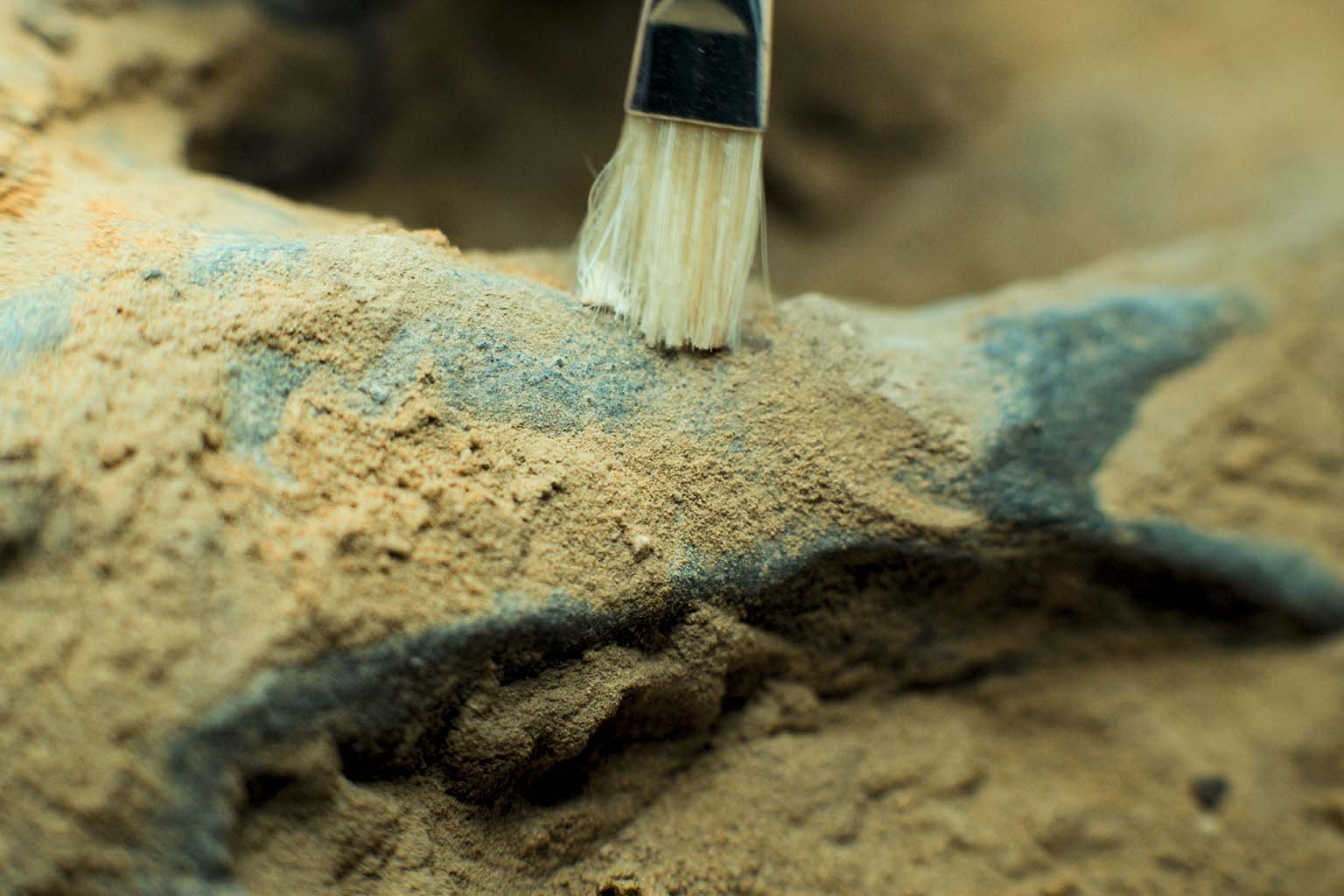
Just 65 miles southwest of Chicago lies an unassuming coal waste hill that is quietly reshaping our understanding of prehistoric life. Beneath this forgotten Illinois trash heap rests the Mazon Creek fossil beds—one of the richest and most scientifically valuable fossil sites on Earth. Holding an extraordinary array of fossils dating back 309 million years, this paleontological treasure trove offers an unprecedented glimpse into life long before the age of dinosaurs.
A Prehistoric Window to the Carboniferous Era
The Mazon Creek fossil beds span across six Illinois counties and represent a unique snapshot of a swampy, tropical ecosystem from the Carboniferous period, a key interval in Earth’s history between 359 and 299 million years ago. Unlike many fossil sites that preserve mostly hard-shelled creatures, Mazon Creek’s exceptional conditions allowed the rapid burial and mineralization of both soft-bodied organisms and their entire ecosystems. This rare preservation captures a striking diversity of life, including insects, millipedes, jellyfish, and early four-limbed vertebrates called tetrapods.
Dr. Arjan Mann, assistant curator at Chicago’s Field Museum, emphasizes the site’s unparalleled scientific importance. “You get everything from insects, millipedes, plants, jellyfish, all the way to early tetrapods, big animals like embolomeri, as well as larval forms,” Mann explained. “This makes Mazon Creek the most complete record of a Paleozoic ecosystem.” Such a comprehensive record offers researchers clues about evolutionary dynamics during a critical time in Earth’s biological history.
Amateurs and Professionals Unearth History Together
What makes Mazon Creek especially remarkable is the collaboration between professional paleontologists and passionate amateur collectors. The Earth Science Club of Northern Illinois, for example, works closely with museums conducting field trips and research expeditions on public and private lands. Collectors like Rich Holm, a software engineer turned fossil enthusiast, dedicate hours searching coal waste piles for concretions—rounded nodules encasing exquisitely preserved fossils.
Holm described the meticulous care involved in fossil extraction: “You have to freeze and thaw concretions over months to gently crack them open, preserving the delicate fossils inside without damage. It’s a passion that just grows exponentially.” This vibrant community bridges the gap between science and the public, nurturing new generations’ curiosity in Earth’s deep past.
Unlocking Evolution’s Deepest Mysteries
Beyond their striking preservation and variety, Mazon Creek fossils hold the promise of solving some of evolutionary biology’s most puzzling questions, particularly around the origins of modern amphibians. Early amphibians from this era provide the only real fossil evidence for how groups like frogs, salamanders, and caecilians evolved their distinctive features over millions of years.
Cal So, a postdoctoral researcher at the Field Museum, is studying these fossils to trace amphibian lineage transitions. “This time period essentially provides a really good place to look for what some of these early relatives of amphibians looked like,” So noted. “That’s one of the biggest mysteries in paleontology.” A recent study published by the Smithsonian Institution highlights how sites like Mazon Creek are critical for filling gaps in the evolutionary fossil record [source].
A Thriving Ecosystem Preserved in Stone
Mazon Creek’s fossil sites are scattered across former mine spoil piles, protected natural areas, and heavily vegetated woodlands in Illinois. Access varies—some sites require permits and bushwhacking through dense undergrowth—yet all bear traces of long-lost ecosystems. Fossil enthusiasts freely share their findings with museums and each other, fueling ongoing research and public education.
Arjan Mann believes this partnership between experts and amateurs is the future of paleontology. “This locality represents the intersection between private collectors, amateur paleontologists, and professionals all coming together to reveal natural history,” he said. “It’s also about inspiring kids to get hooked on fossils early and become the next generation of scientists.” Such community-driven science ensures that the incredible stories locked in these ancient stones will continue to enlighten us.
The Mazon Creek fossil beds remind us that even the most overlooked places can hold irreplaceable evidence of Earth’s distant past. As exploration continues, this forgotten trash hill stands poised to rewrite the narrative of prehistoric life and evolution on a global scale.
What do you think about the amazing discoveries at Mazon Creek? Share your thoughts or experiences with fossil hunting in the comments below, and don’t forget to spread the word about this hidden gem in Illinois!