


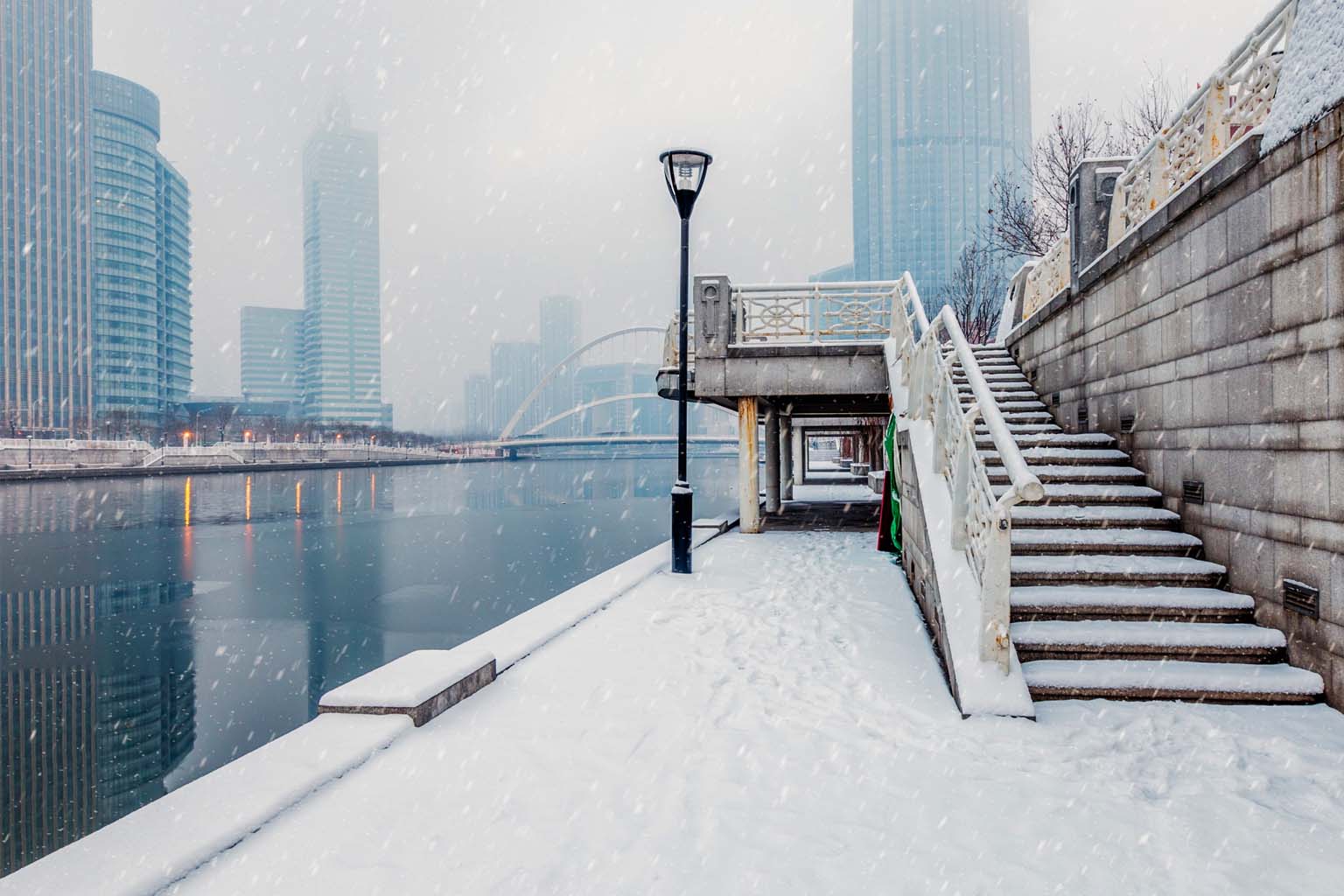
Japan has quietly perfected a snow-clearing technique that melts ice before it even forms—without relying on plows or piles of salt. While this innovative method has been keeping roads safe and clear for decades in snowy cities like Nagaoka, many North American regions, from Minnesota to Ontario, have yet to embrace the idea. So why hasn’t this efficient strategy crossed the Pacific?
A Warm Water Solution Rooted in Tradition and Technology
In Nagaoka, a city nestled in Japan’s Niigata Prefecture, heavy snowfall routinely blankets the streets with over 10 feet of snow during the winter months. Instead of battling the cold with trucks of salt and noisy snowplows, local officials have tapped into something uniquely Japanese—an abundant supply of natural geothermal heat.
The technique, known as shosetsu, involves watery warm-up sprinklers embedded right into the pavement or mounted alongside roadsides. When snow begins to fall, these sprinklers activate automatically, releasing warm water that keeps the pavement wet and prevents snow from sticking or freezing. Rather than waiting for snow to pile up, this method works proactively to stop ice before it forms.
This ingenious system started in the 1960s and leverages Japan’s extensive hot springs to provide a steady stream of warm water. The advantage here is remarkable: since the heat source is natural and renewable, it eliminates the need for energy-intensive road heating systems or corrosive chemical treatments like road salt, which can damage infrastructure and pollute ecosystems.
Environmental and Practical Benefits of Japan’s Snow-Clearing Approach
Using warm geothermal water results in fewer environmental side effects and lower long-term costs. Unlike chloride-based salts, which experts warn can degrade concrete and contaminate groundwater, the warm water leaves no harmful residue behind. This aligns with increasing concerns about sustainable urban infrastructure amid climate change.
Japan’s municipal ability to incorporate this system into urban design has become part of the winter landscape itself. The sprinklers operate quietly below the surface or discreetly near curbs, melting snow in real time and dramatically reducing accidents related to slippery roads.
According to studies from the Japan Society of Civil Engineers, these geothermal systems can reduce ice clearance costs by up to 40%, a significant saving especially for smaller cities with limited budgets. Such savings make the investment appealing alongside the environmental perks.
Why North America Has Yet to Follow Japan’s Example
Despite facing harsh winters, the U.S. and Canada have not widely adopted similar snow-melting technologies. A key reason is geography. Unlike Japan, most North American regions do not have abundant, easily accessible geothermal hot springs to supply natural warm water.
Only certain pockets—like western states around Yellowstone or parts of British Columbia—have geothermal resources. For the broader Midwest and Northeast, installing heat pumps or electric road-heating systems is either too expensive or technically challenging. Some cities have tried alternate systems in China powered by heat pumps but found them expensive and difficult to maintain, limiting adoption.
Moreover, many American and Canadian municipalities still rely heavily on traditional methods like salt and plowing because they are familiar and have existing infrastructure for those processes. Urban planners and policymakers face financial and logistical obstacles to trying newer technologies or redesigning street systems.
Lessons and Possibilities for the Future of Snow Removal
Japan’s shosetsu method highlights the importance of innovative thinking tailored to local resources. It’s an excellent example of how cities can use natural energy sources to solve transportation safety challenges sustainably.
Experts believe cities in North America could explore hybrid solutions, combining traditional snow removal with strategically placed warm water sprinklers or incorporating new geothermal sites where feasible. Dr. Emily Carter, an environmental engineer, notes in a 2023 report from the American Society of Civil Engineers that “greener, low-impact snow-clearing technologies are critical as winter weather patterns grow more unpredictable.”
As winter safety and sustainability become more urgent priorities across the globe, learning from Japan’s decades-old but modern approach could pave the way to cleaner streets and more resilient cities—not just in snow-heavy Japan, but throughout North America.
If you found this exploration of Japan’s groundbreaking snow-clearing system intriguing, let us know what you think! Have you seen innovative winter solutions in your city? Share your thoughts and stories in the comments below and join the conversation.