


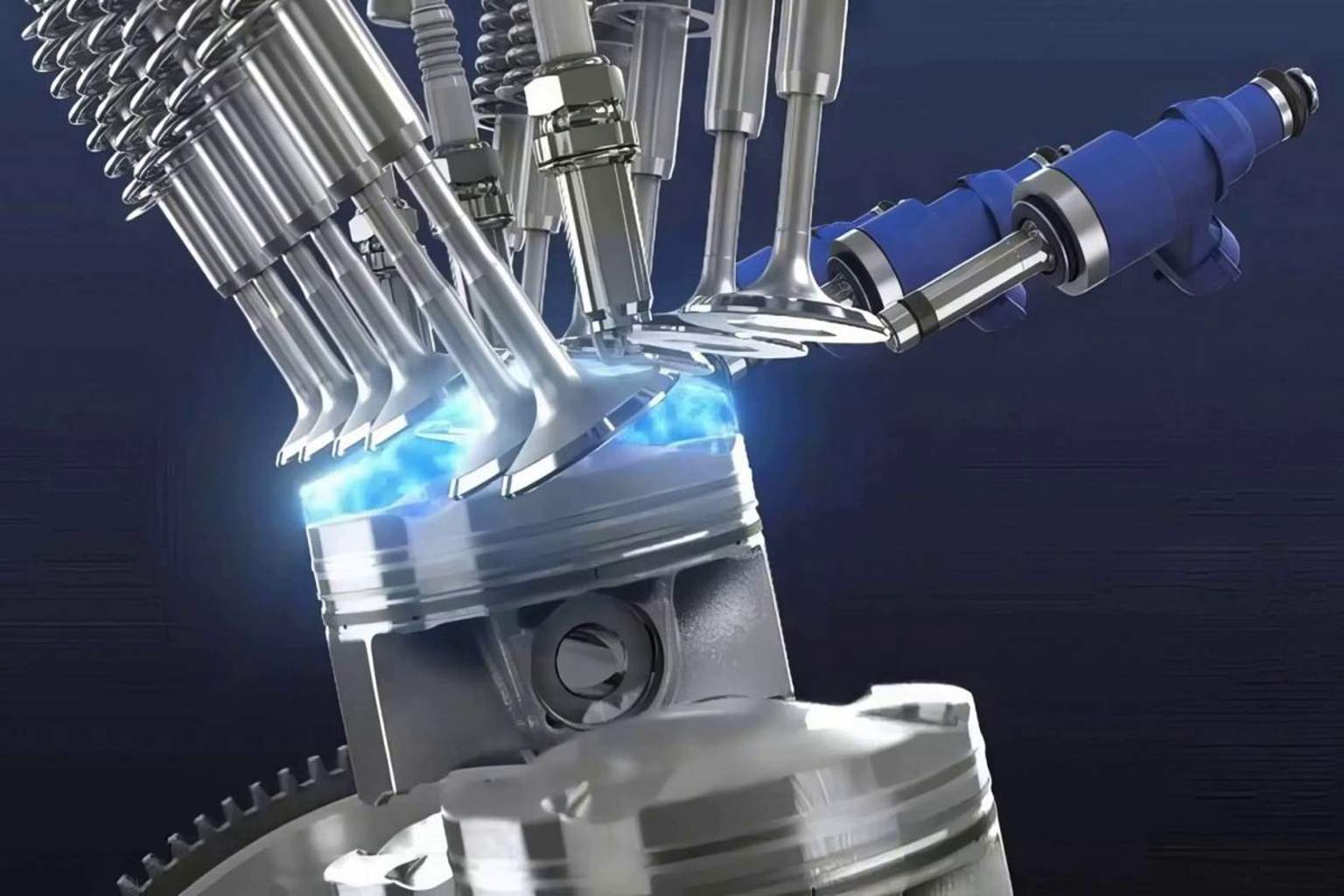
Imagine a future where the roar of a car engine signals innovation, not pollution. Toyota has just unveiled a breakthrough technology that could make this vision a reality: hydrogen combustion engines that pack serious power while emitting only harmless water vapor. This bold new step could transform the automotive landscape and redefine what’s possible in clean transportation.
How Toyota’s hydrogen combustion engines redefine power and sustainability
For decades, internal combustion engines have been synonymous with pollutants and climate damage. Toyota’s latest innovation flips that narrative by fueling engines with hydrogen instead of gasoline or diesel, resulting in exhaust that contains zero carbon dioxide—only water vapor. This represents a seismic shift towards truly zero emissions vehicles.
What’s most remarkable is that Toyota’s hydrogen engines don’t sacrifice performance. They deliver up to 400 horsepower, rivaling many high-performance gasoline cars and trucks. Achieving a thermal efficiency of around 45%, these engines rival some of the most fuel-efficient diesel counterparts on the market today. This showcases Toyota’s commitment to matching power with efficiency without compromising either.
Drawing on years of research into hydrogen fuel cell tech, Toyota has engineered a versatile engine that can potentially integrate into various vehicle types, leveraging their deep expertise in this breakthrough fuel source.
The environmental promise of zero emissions transportation
Toyota’s development offers more than just innovation; it presents a viable solution to one of the most urgent environmental challenges of our time. Unlike traditional engines, which release greenhouse gases contributing to global warming, hydrogen combustion engines produce only water vapor, a completely harmless exhaust byproduct.
Reflecting on the issue from a personal perspective, driving through urban areas choked with exhaust fumes, one can’t help but hope for technology like this to lessen our collective carbon footprint. Toyota’s progress is a hopeful reminder that automotive innovation can coexist with ecological responsibility.
This perspective is supported by a 2023 report from the U.S. Department of Energy, which emphasizes hydrogen’s potential as a clean energy source capable of reducing transportation emissions significantly when compared to fossil fuels.
What Toyota’s hydrogen engine breakthrough means for the future of cars
Could hydrogen combustion engines be the next game changer, standing alongside electric vehicles and hybrids instead of simply competing with them? Toyota’s breakthrough suggests so, expanding the conversation about sustainable transportation beyond the battery-only paradigm.
Yet, challenges remain, especially around infrastructure. Hydrogen fueling stations are still sparse compared to gas stations, raising questions about widespread consumer adoption. Toyota’s plan to introduce this engine across passenger cars and light trucks is a promising indicator that the industry is serious about addressing these hurdles.
Automotive journalist and analyst Mike Jensen notes, “Toyota’s hydrogen engine technology represents an exciting new frontier that could pave the way for more versatile clean energy vehicles, especially in markets where electric vehicle charging infrastructure is limited.” This optimism reflects the unpredictable, fast-paced evolution of vehicle technology — a revolution that could soon bring hydrogen to the forefront.
Bridging today’s innovation with tomorrow’s sustainable transport
It’s exciting to imagine a future where filling up your car emits nothing but water. Toyota’s hydrogen combustion engine innovation might just bring us closer to that reality — adding a powerful, clean option to the growing portfolio of sustainable automotive technologies.
So, what’s your view? Would you consider driving a powerful hydrogen engine vehicle that promises zero emissions? Do you think hydrogen will carve out a significant niche in the green transportation market, or will electric vehicles maintain their current dominance? Share your thoughts below, and if you found this enlightening, don’t hesitate to spread the word among friends eager for sustainable tech breakthroughs.