


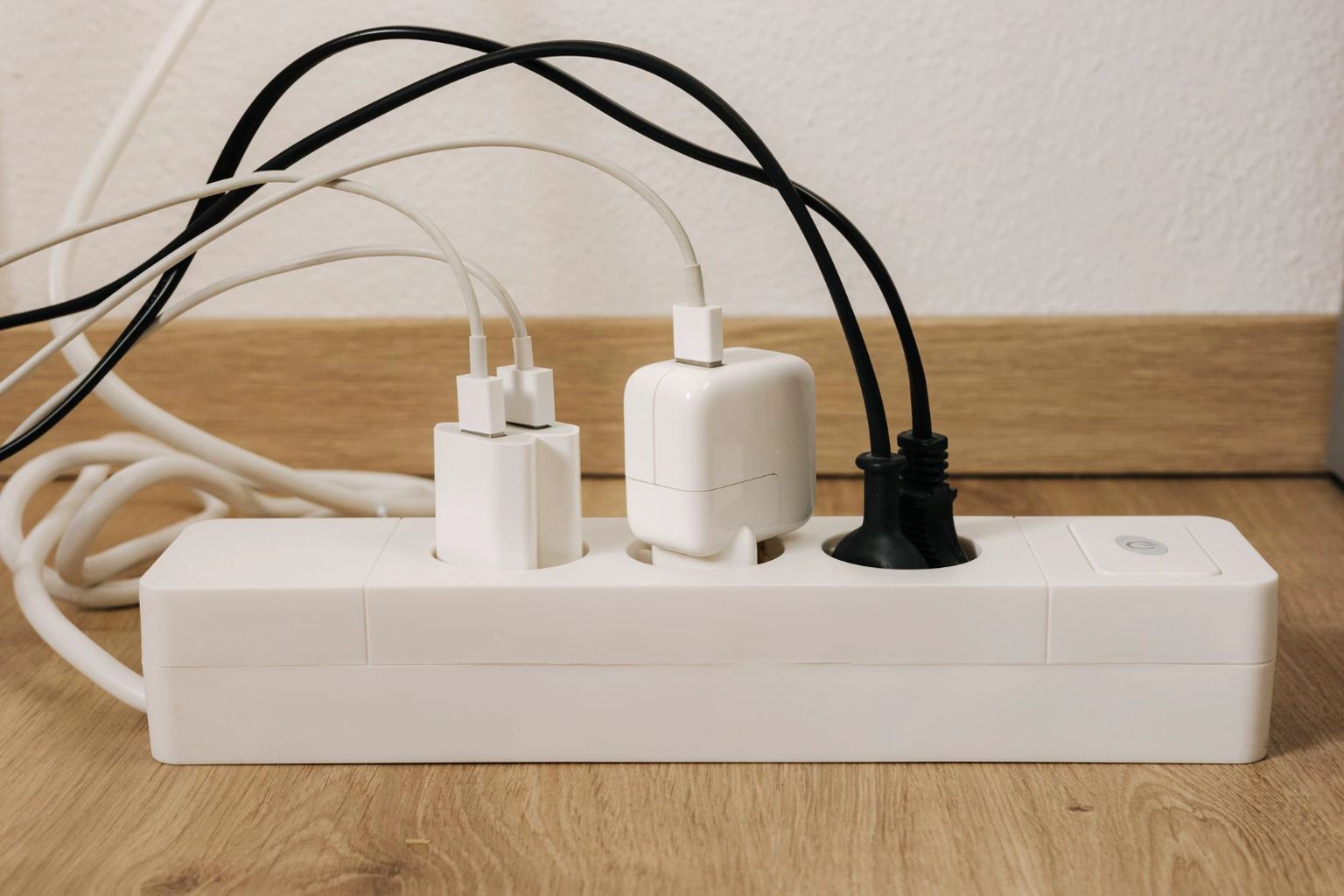
Most people leave phone chargers plugged in day and night without a second thought. But is it really safe to keep chargers plugged in all the time? Beyond convenience, there are hidden costs and potential risks that many don’t consider. With so many rechargeable devices in homes today—from phones and laptops to e-bikes and smartwatches—it’s time to take a closer look at what happens when your chargers stay glued to the wall outlet.
As a senior tech editor who’s reviewed countless gadgets, I dug into the science and expert advice to give you the essential facts about charger safety, power usage, and how to extend their lifespan safely.
How chargers work and why they draw power even when idle
At their core, chargers take the alternating current (AC) from your wall outlet and convert it into a stable direct current (DC) that powers your devices. Think of it like turning a stormy sea into a calm river—this transformation happens inside using a transformer, electronic circuits, filters, and voltage regulators. Without this crucial process, your gadgets couldn’t charge properly.
Even when your device isn’t plugged in, most chargers draw a tiny amount of electricity known as vampire power or standby power to keep their internal circuits primed. While each charger consumes less than a watt, households with dozens of chargers can see this small draw add up. According to the U.S. Department of Energy, standby power from common electronics accounts for roughly 5–10% of residential electricity use (Energy Saver, DOE).
Modern chargers incorporate power-saving features, switching to low-power “sleep modes” when devices aren’t connected, but few completely shut off power draw.
What are the risks of leaving chargers plugged in all the time?
Beyond the incremental energy cost, constantly plugged-in chargers face continuous wear—especially from voltage spikes and fluctuations in your home’s power supply. These electrical surges strain the delicate components, potentially shortening the charger’s life.
High-quality, certified chargers usually include safety mechanisms like surge protection and thermal cutoffs. But cheaper, uncertified models often lack these safeguards. In rare instances, this can lead to overheating, malfunction, or even fire hazards if left plugged in unattended for long periods.
I once experienced this firsthand when a low-cost charger became abnormally hot overnight. That alarmed me to always check chargers for cracks, strange sounds, or heat buildup, and to replace suspect units immediately. Trusted manufacturers usually undergo stringent safety testing, making their products more reliable than knockoff alternatives.
Smart charging habits to save energy and protect your devices
The simplest way to protect your chargers and reduce wasted energy is to unplug them when not in use. For convenience, using a power strip with an on/off switch lets you cut power to multiple chargers at once—particularly helpful at night or when leaving the house.
If unplugging isn’t practical, at least invest in high-quality chargers from reputable brands. These often have advanced circuits that cut standby power to near zero, extending both safety and energy savings.
Personally, I unplug all my chargers during trips and whenever devices reach full charge. This routine not only conserves electricity but avoids risks associated with overheating or power surges, providing peace of mind.
Expert insights and resources for charger safety
Dr. Lisa Nguyen, a leading electrical safety researcher, explains in a 2024 industry study that “regularly unplugging or powering down chargers significantly reduces standby power consumption and mitigates fire risks in residential settings.” She recommends adopting simple habits like scheduled unplugging and choosing chargers with built-in protection.
To see this in action, check out this YouTube video demonstrating how unplugging chargers saves energy and why it matters for your safety and wallet.
Given the growing number of rechargeable devices in our lives, understanding the small yet important risks of always-on chargers helps us make informed choices that protect our homes and reduce unnecessary energy costs.
Have you ever noticed your chargers getting unusually warm or making buzzing noises? Do you usually keep them plugged in around the clock, or do you unplug to save power? Share your experiences and tips below—we’d love to hear how you manage your charging habits. Spread this knowledge by sharing the article with friends and family who may also keep chargers constantly plugged in!