


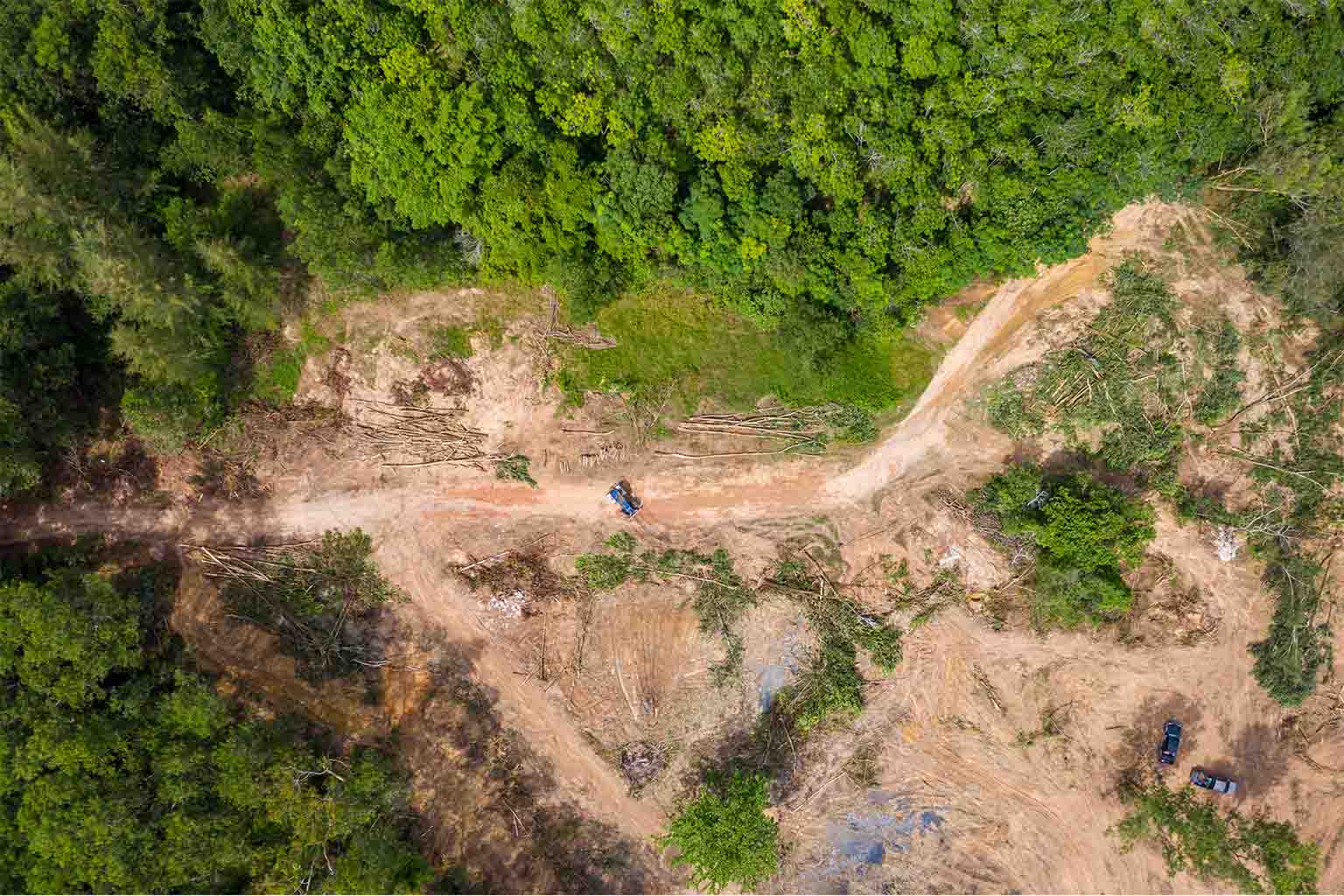
Earth’s trees, the majestic giants that have stood for centuries, are whispering a dire warning—and humanity must listen. With scientists now revealing that nearly one-third of all tree species face extinction, the very foundation of life on our planet is under unprecedented threat. This unfolding crisis is much more than an environmental issue; it’s a profound challenge that jeopardizes ecosystems, economies, and our collective future.
A Disturbing Global Reality: One-Third of Tree Species at Risk
Recent research published in Plants, People, Planet has illuminated a startling fact: out of approximately 60,000 tree species worldwide, about 17,500 are endangered and teetering on the brink of extinction. This number dwarfs threatened species counts in animals such as mammals, birds, amphibians, and reptiles combined, marking an unprecedented threat to global biodiversity. Iconic trees—including the towering coastal redwoods of California, ancient Wollemi pines in Australia, and even species commonly associated with celebrations like the Christmas tree—are not immune.
The loss of these species is far from a distant worry. Some trees have tragically declined to a single surviving individual; the Hyophorbe amaricaulis palm in Mauritius, for example, stands alone as the last of its kind. This grim reality spotlights the critical importance of protecting what remains, lest irreversible damage to the planet’s rich biological heritage occur.
Human Activity: The Root Cause of Tree Crisis
The widespread decline in tree species is directly linked to human-driven destruction through deforestation, urban expansion, and logging. Each year, billions of trees are lost, dismantling ecosystems that have thrived for millennia. There is a critical intertwining of habitat loss and tree extinction: wherever forests vanish, the very homes of countless animals and plants vanish too.
Malin Rivers, a leading conservation biologist at Botanic Gardens Conservation International, notes that “habitat loss is frequently tree loss,” underpinning the extinction challenges faced by many animals and birds. This connection reveals how the fate of trees is inseparable from the fate of the wider environment, underscoring the urgency to act on tree conservation.
The Economic and Social Toll of Dying Forests
Trees are pillars of not just environmental stability but also economic prosperity. With an estimated annual contribution exceeding $1.3 trillion through timber, fruits, nuts, medicines, and other forest products, trees underpin industries and communities worldwide. In developing regions, nearly 880 million people depend on firewood as their primary source of energy.
Moreover, about 1.6 billion people live within 3 miles of forests, relying heavily on forest ecosystems for food, raw materials, and livelihoods. The devastating loss of trees would exacerbate poverty, disrupt local economies, and catalyze environmental disasters such as soil erosion, water cycle disruption, and more frequent extreme weather events.
Why Biodiversity and Forest Diversity Matter in Climate Resilience
Trees are crucial agents in the fight against climate change. Beyond producing oxygen and filtering air, diverse forests store significantly more carbon than monoculture plantations, offering a powerful natural mechanism to mitigate global warming. As Malin Rivers explains, “We’re showing that diverse forests store more carbon than monocultures,” highlighting the value of preserving a rich variety of tree species for climate stability.
Diverse forests also provide resilience against pests, diseases, and severe weather—factors exacerbated by shifting climates. This resilience is essential to maintaining robust ecosystems and preventing cascading ecological collapses. Losing tree diversity risks unraveling the fabric of life that supports all terrestrial species, humans included.
“Trees are the backbone of life on Earth,” says Dr. Jane Goodall, primatologist and environmental advocate. “Protecting them means protecting our own survival.”
The Domino Effect: When a Tree Species Disappears
The extinction of a single tree species is akin to pulling a critical thread in an intricately woven tapestry. Many species, from fungi and insects to birds and mammals, depend exclusively on certain trees for food, shelter, or reproduction. Take the dragonsblood tree (Dracaena cinnabari), a relic species from ancient times. Its disappearance would imperil not only the tree but also species like the gecko that relies on it for pollination.
Scientists warn that such losses catalyze a ripple effect, resulting in the breakdown of complex ecosystems. Tropical rainforests, where tree diversity is highest, face particular risks: the loss of tree species threatens already vulnerable wildlife populations and reduces the forest’s overall robustness against environmental threats.
According to a 2021 analysis by the International Union for Conservation of Nature (IUCN), saving tree species inherently safeguards a multitude of other life forms, emphasizing that tree conservation is fundamental to halting the broader biodiversity crisis.
As a senior web editor focused on environmental content, I’ve witnessed countless reports on tree biodiversity. This one, however, carries a particular urgency illustrated by scientific data and expert insights. It’s a clarion call to protect trees not only for their intrinsic value but for the survival of humanity itself.
How do you feel about this pressing issue? Have you witnessed tree loss in your local area or community efforts to protect forests? Share your thoughts and stories below—let’s start a conversation about the future of Earth’s irreplaceable trees.