


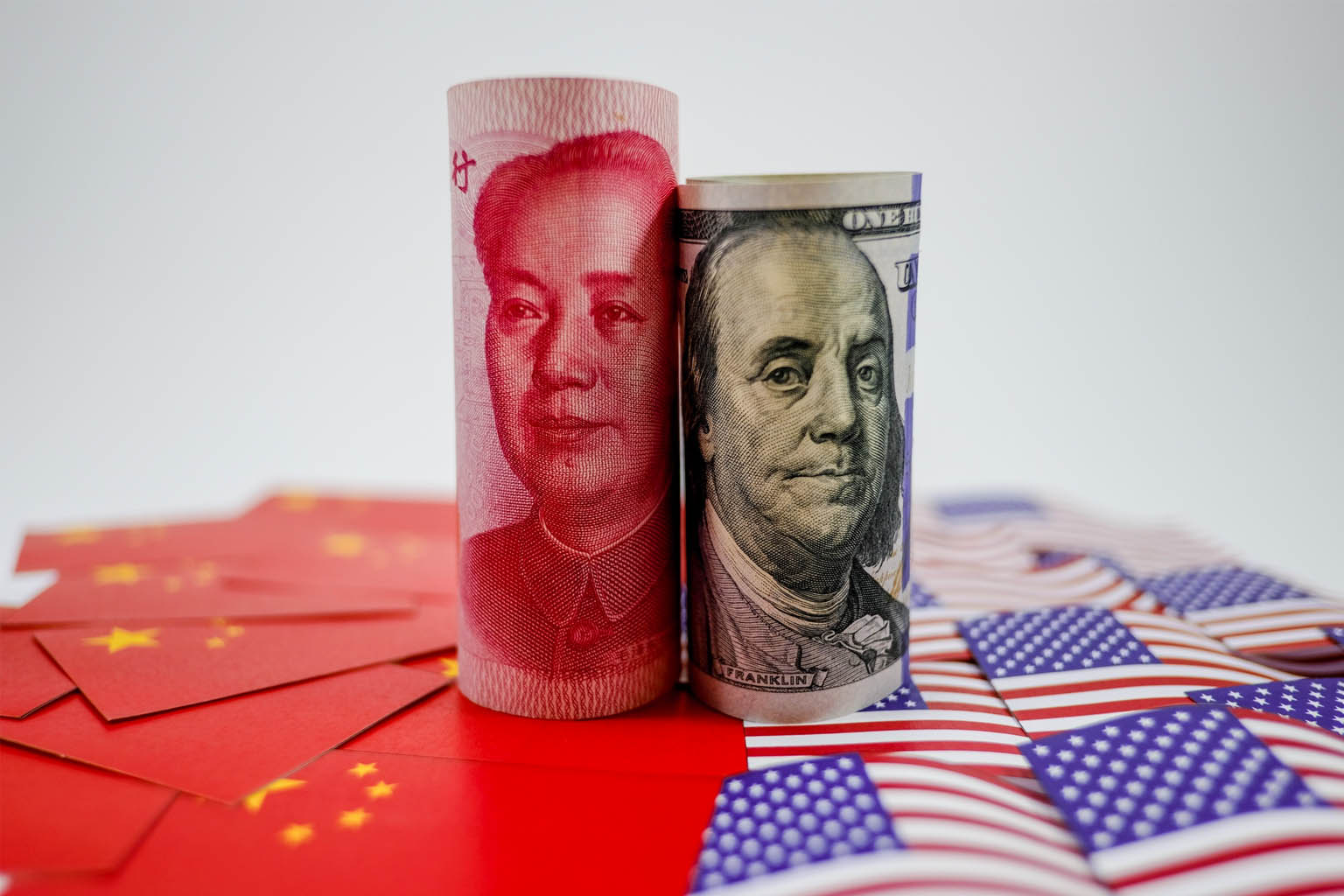
In a world where global trade shifts rapidly, some U.S. states find themselves more deeply entangled with China’s economy than others. These connections aren’t just numbers; they shape local industries, influence consumer prices, and reveal vulnerabilities amidst the ongoing trade tensions. Which states hold the heaviest reliance on Chinese imports—and why does it matter now more than ever?
Why China’s Role in U.S. Imports Still Dominates
Despite two decades of economic fluctuations and tariff battles, China remains America’s largest trading partner for imports. In 2024, the U.S. imported an eye-popping $438.9 billion worth of goods from China, making up 13.4% of all imports nationwide. This massive flow of products spans technology, machinery, consumer electronics, and countless other categories essential to everyday life and business operations.
For many Americans, this means the goods they use daily or the components that power their workplaces are directly linked to supply chains from across the Pacific. However, some states have a much higher stake in this relationship, which could leave them more exposed as tariffs rise and trade policy evolves.
Nevada: The State Most Dependent on Chinese Imports
Among all states, Nevada stands out as the most reliant on Chinese imports. According to data from the International Trade Administration, a remarkable 26% of Nevada’s total imports came from China in 2024 — well above the national average. This dependence is largely driven by electrical machinery and parts, integral to local industries, including high-tech manufacturing and electronics assembly.
This strong reliance puts Nevada in a precarious spot. Rising tariffs could drive up costs for businesses that rely on affordable Chinese components, potentially hitting consumer prices and slowing economic growth. Recognizing this risk, many Nevada companies have resorted to stockpiling inventory, a strategy mirroring trends seen elsewhere in the U.S. as firms brace for uncertainty.
California: The Import Giant with a Global Reach
California’s vast economy and strategic ports make it a powerhouse of international trade, and China is its largest import partner by a substantial margin. The state imported $122.8 billion worth of goods from China in 2024, which is about 25% of California’s total imports. Nearly 30% of these imports fall under manufacturing, highlighting how deeply California’s industries depend on Chinese technology, machinery, and electronics.
“California’s extensive reliance on Chinese imports means any escalation in tariffs could ripple through the state’s economy with significant impacts on prices and supply chains,” explained Dr. Lisa Nguyen, an international trade expert at the University of California, Berkeley.
The stakes are high. Increased tariffs risk disrupting supply chains in Silicon Valley’s tech hubs, factories in the Central Valley, and retail centers across the state. Consumers could face higher prices not just for electronics but everyday household goods, further fueling inflationary pressures in the economy.
Montana and Other States With Minimal Exposure
At the opposite end of the spectrum lies Montana, the least reliant state on Chinese imports by a wide margin. Only 1% of its imports originated from China in 2024, reflecting a more diversified and localized economy. While this means Montana is less directly vulnerable to tariff hikes on Chinese goods, it is not immune to the broader consequences of the trade war. Nationwide, price increases on consumer electronics and household items ripple through even states with minimal direct import dependence.
This divergence among states has important policy implications, pressuring federal lawmakers to weigh the uneven effects of trade policies across diverse economies.
The Future of U.S.-China Trade and Tariffs
The context behind these state-level vulnerabilities lies in the broader U.S.-China trade relationship. Tariffs first imposed during the Trump administration—starting with a 20% tariff on a wide range of Chinese imports—were met with retaliatory tariffs on U.S. exports, such as agricultural products. These policies took effect March 10, 2025, leaving industries on both sides scrambling to adjust.
Now, a proposed 34% blanket tariff on all Chinese goods looms on the horizon. According to a detailed 2024 report from the U.S. International Trade Commission, such a move could have significant economic consequences, particularly for states like Nevada and California that depend heavily on Chinese imports.
Experts caution that while tariffs aim to protect domestic industries, they often lead to higher prices for consumers, disrupted supply chains, and challenges in industries reliant on global components. Businesses must navigate these complexities by adjusting inventory, sourcing alternatives, or passing costs on to consumers, which could dampen economic growth.
Understanding which states feel these pressures most sharply is vital for traders, policymakers, and consumers alike.
As someone deeply engaged in economic trends and international trade, I encourage you to share your thoughts. How do you think these shifting trade ties will affect your community? Have you personally felt the impacts of higher prices tied to Chinese imports? Join the conversation by commenting below and sharing this story with others navigating these economic currents.