


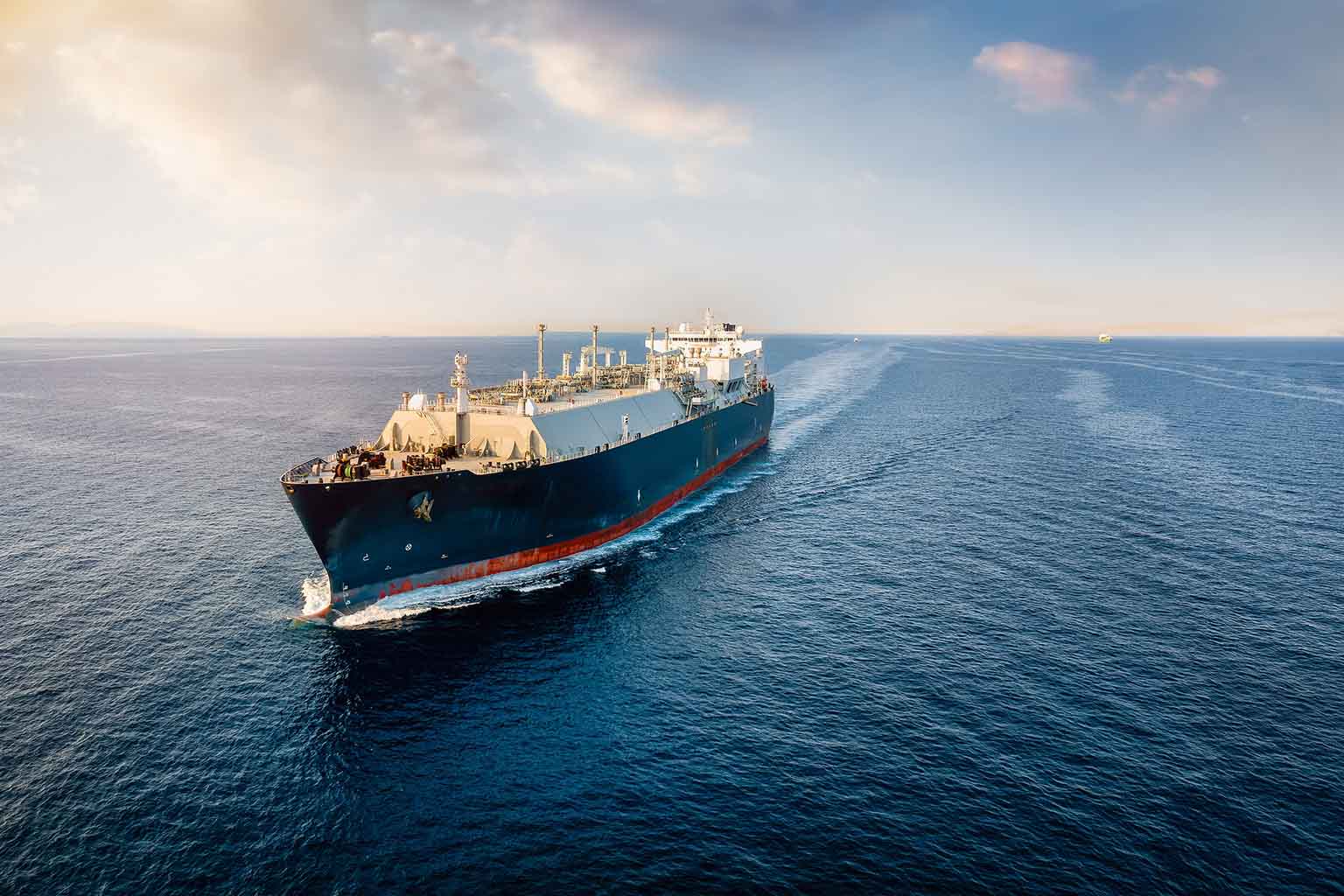
Japan is once again steering the maritime industry toward the future with the announcement of a colossal 310,000-ton crude oil tanker designed to reshape shipping forever. This giant ship, set to launch in 2028, boasts not only unprecedented size but also innovative features and a commitment to environmental responsibility, signaling a new era for global maritime transport.
A Giant Vessel Built for Strategic Navigation
Stretching an impressive 1,114 feet long and 197 feet wide, this Very Large Crude Carrier (VLCC) has been meticulously designed to meet the “Malacca Max” standard. This specification allows it to navigate the Malacca Strait—the maritime highway connecting the Indian and Pacific Oceans and one of the world’s busiest oil transport corridors. Given that vast volumes of crude oil flow daily through this narrow passage, the tanker’s dimensions are optimized for efficiency without sacrificing navigational safety.
The ship’s design addresses not only size but also operational demands. It must safely transit one of the globe’s most critical and congested shipping lanes while carrying mammoth loads. This dual purpose underlines the Japanese maritime industry’s ambition to blend scale with cutting-edge technology, reinforcing its role as a leader in pioneering ocean freight solutions.
The Cleaner Fuel Revolution: Introducing Methanol
What truly sets this vessel apart is its choice of fuel. Unlike traditional oil tankers that run on heavy fuel oil—a major contributor to maritime pollution—this ship will utilize methanol, a cleaner-burning alternative. Methanol can reduce carbon dioxide emissions by upwards of 15%, and when derived from renewable sources, known as “green” methanol, those reductions soar toward 40%. This marks a significant step toward decarbonizing the shipping sector, which is responsible for nearly 1 billion tons of CO₂ emissions annually, according to the International Maritime Organization (IMO).
Methanol’s ability to drastically lower greenhouse gases offers hope in a notoriously hard-to-clean industry. As Dr. Yasuo Imanaka, an expert in maritime fuel technologies, highlighted in a recent environmental webinar, “Shifting to alternative fuels like methanol is indispensable if shipping aims to meet global climate goals.” Japan’s investment in this technology underscores the country’s commitment to environmental stewardship and its leadership in sustainable transport innovation.
State-of-the-Art Energy Efficiency Technologies
Beyond fuel, the tanker incorporates a suite of advanced technological solutions to maximize efficiency. It features a dual-fuel system, enabling seamless switching between heavy fuel oil and methanol depending on availability and regulatory requirements. This flexibility ensures operational reliability while awaiting broader infrastructure for methanol bunkering.
Additionally, the ship is equipped with a shaft generator system. This innovative technology recaptures the engine’s mechanical energy and channels it back into the propulsion system, significantly reducing energy losses. By improving fuel efficiency and cutting emissions, this vessel stands as one of the most energy-conscious behemoths on the seas.
This combination of alternative fuels and energy-saving innovations illustrates how maritime engineering is evolving in response to global environmental challenges. Experts believe that such hybrid systems pave a sustainable way forward while maintaining the indispensable economic functions of ocean freight.
A Collaborative Vision for a Sustainable Maritime Future
This groundbreaking vessel is the result of a joint venture between Japan’s leading maritime firms: Nippon Yusen Kaisha (NYK) Line, Idemitsu Tanker, IINO Kaiun Kaisha, and Nippon Shipyard. The project kicked off in early 2024, with the detailed ship design introduced by October. Once completed, the tanker will operate under a long-term charter with Idemitsu Tanker, ensuring the ship’s immediate deployment in global trade routes.
NYK Line’s overarching goal to achieve carbon neutrality by 2050 frames this new tanker as a cornerstone of Japan’s sustainable shipping ambitions. Amid the challenges that come with electrifying long-haul shipping, leveraging cleaner fuels like methanol is a practical, scalable solution to cut emissions now.
This initiative not only demonstrates Japan’s drive to lead maritime decarbonization but also sends a resounding message globally: innovation and environmental responsibility can—and must—go hand in hand. According to a recent Interesting Engineering report, this vessel stands as the future face of responsible maritime logistics.
As Japan charts this course, eyes worldwide will watch closely, eager to see how this giant tanker navigates not only the Malacca Strait but also the complex waters of environmental progress.
If this story sparks your interest, feel free to share your thoughts or experiences in the comments below, and spread the word about the exciting future of maritime innovation.