


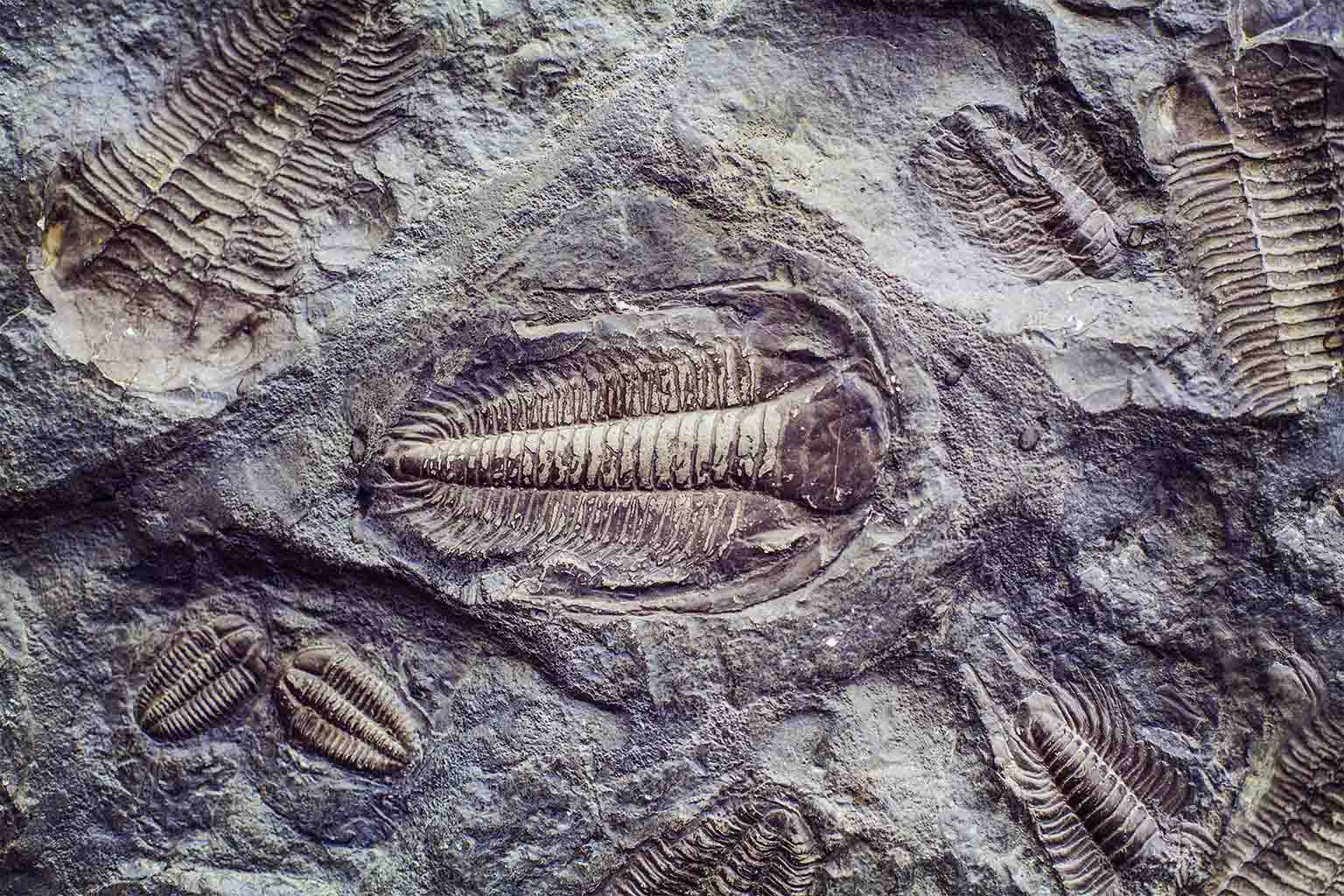
Geologists have unlocked a breathtaking new chapter in Earth’s deep history—right beneath the majestic layers of the Grand Canyon. Their discoveries challenge decades of scientific beliefs, revealing a vibrant, fast-moving story of life and environment that unfolded over 500 million years ago. This breakthrough rewrites geology textbooks and highlights the dynamic nature of our planet’s past.
Unearthing the Cambrian Explosion Through the Tonto Group
At the heart of this revelation lies the Tonto Group, a sequence of sedimentary rock layers lining the Grand Canyon’s lower walls, long thought to reveal a slow and steady rise in sea level during the Cambrian Period. Since 1945, Edwin McKee’s model portrayed these layers as a simple, uniform marine shelf deepening over millions of years. However, recent research published in GSA Today radically reinterprets that view.
According to Carol Dehler, a geology professor at Utah State University, these layers instead capture “episodic pulses of transgression,” where seawater surged repeatedly onto the ancient continent. Each advance brought distinct coastal ecosystems, changing sediment types, and a variety of marine and non-marine environments. This rapid succession of habitats coincided with the famed Cambrian Explosion, a time when complex organisms with shells suddenly diversified across shallow seas.
Dr. Dehler emphasizes that the Tonto Group “holds a treasure trove of fossils and sediment that chronicles these transformative moments in Earth’s biological and geological timeline.” The layers are not the quiet accumulation of sediment once imagined but a vivid storybook of shifting shorelines and rapidly evolving life.
Five Shoreline Advances Rewrite the Grand Canyon’s Geological Story
One of the study’s most groundbreaking findings is the identification of at least five separate shoreline advances, rather than a single, slow marine rise. Each surge deposited a different collection of sandstones, shales, and limestones, indicating shifting environments from windblown dunes and river deltas to tidal flats.
Karl Karlstrom from the University of New Mexico explains, “Our new model shows a mix of marine and non-marine settings with breaks in sediment deposition, highlighting a much more complex and faster tempo than previously thought.” The fossil record within these layers, particularly trilobites, marks rapid biological turnovers, underscoring this dynamic geological record.
These discoveries shake the foundation of standard geological interpretations, illustrating how careful fieldwork and modern dating techniques reveal details previously invisible to researchers.
Precision Dating Reveals a Geological Blink of an Eye
Pinpointing the timing of these dramatic events required advanced technology. Researchers extracted zircon crystals from sandstone layers to perform Uranium-Lead dating, setting new chronological boundaries for the sediment and fossil records.
Laurie Crossey, a geochemist involved with the study, explains that dating sedimentary rocks is challenging because “the sediment must be younger than its constituent grains.” By analyzing numerous zircon grains, the team established that the significant faunal changes documented actually took place in less than 800,000 years—a geological instant previously unrecognized.
This refined timeline challenges the longstanding belief that such evolutionary shifts occurred over tens of millions of years. Instead, it points to an extraordinarily rapid ecological transformation during the Cambrian period, reshaping our understanding of ancient life’s pace.
According to a study in GSA Bulletin, such precision dating dramatically improves correlations worldwide, allowing geologists to construct a more accurate picture of Earth’s Early Paleozoic era.
Implications for Earth Science and Beyond
This dramatic reinterpretation of the Tonto Group is a powerful reminder that geological “truths” evolve as new evidence and technology emerge. James Hagadorn, a paleontologist at the Denver Museum of Nature & Science, reflects, “Science is a process, and studies like this emphasize how integrating fossil evidence with sedimentology and precision geochronology reshapes everything we knew about Earth’s oldest records.”
The Grand Canyon, often thought to be fully understood, emerges instead as a dynamic archive offering fresh insights into the Cambrian Explosion—one of Earth’s most pivotal evolutionary intervals. This research not only revolutionizes interpretations of the Grand Canyon but also sets a new benchmark for analyzing rock formations worldwide.
For visual learners, check out this fascinating YouTube video, which highlights the significance of the Cambrian strata in the Grand Canyon and shows how sediment layers record Earth’s deep biological past.
Such advances in geology demonstrate the intersection of classic fieldwork with cutting-edge scientific analysis, reaffirming that our planet’s history is far more intricate and thrilling than once imagined.
What amazed you most about this discovery? Have you visited the Grand Canyon or studied Earth’s ancient past? Share your thoughts and stories in the comments below or spread the word by sharing this article with fellow nature enthusiasts. Let’s celebrate how science deepens our connection to the remarkable story beneath our feet.