


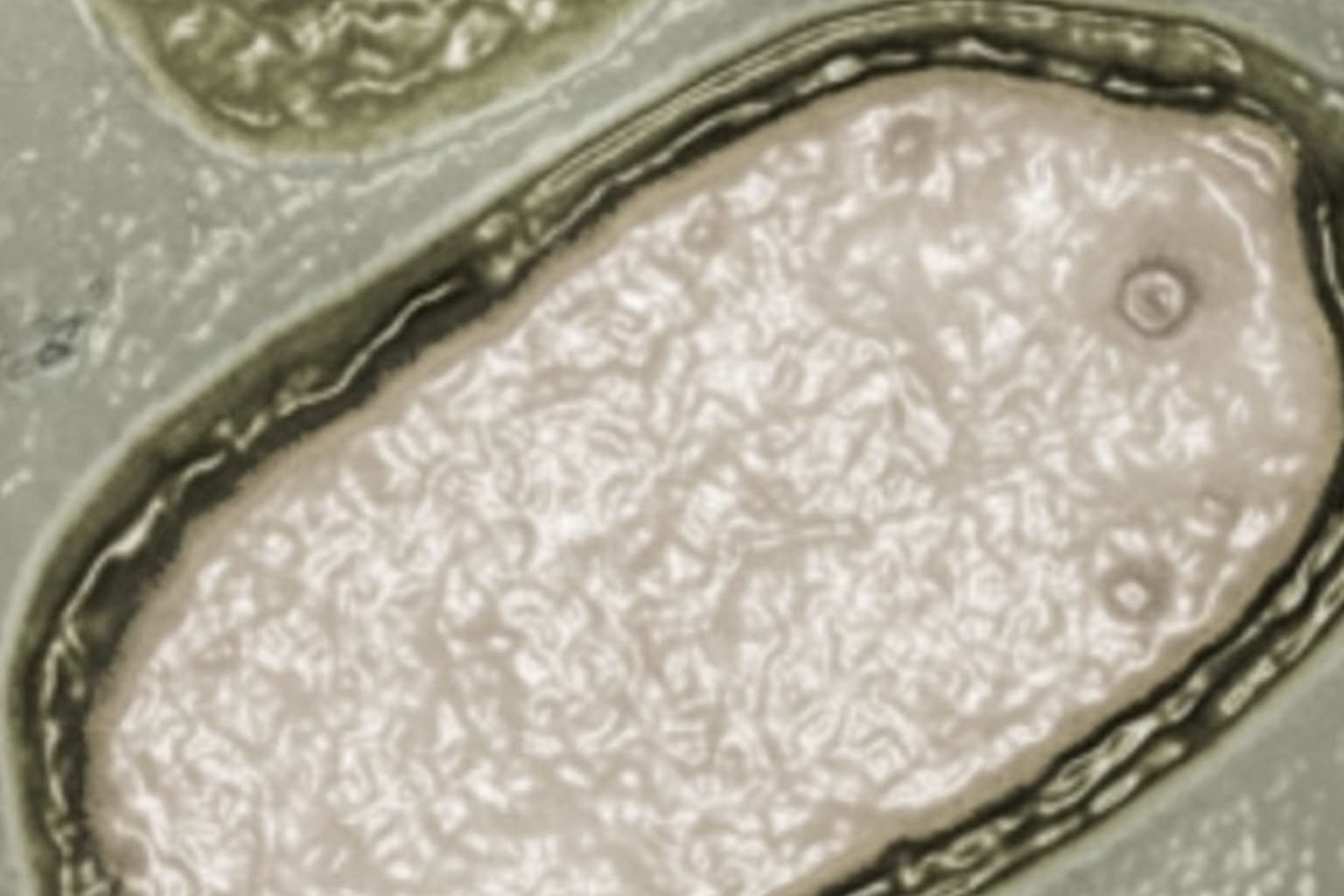
Scientists have uncovered a hidden world beneath the waves—hundreds of newfound giant viruses that may be quietly reshaping ocean life and global ecosystems. These enormous viruses, bigger and more complex than many cellular organisms, challenge our understanding of the ocean’s delicate balance and hint at a mysterious force driving evolution in the sea.
For marine biologists and oceanographers, this discovery marks a turning point in understanding the ocean food web and its vulnerabilities. As Dr. Grieg Steward from the University of Hawai’i at Manoa highlights, these giant viruses are not just passive inhabitants; they could be orchestrators of massive ecological shifts.
Giant Viruses: New Players in Ocean Ecosystems
A pioneering study published in Nature npj Viruses revealed 230 previously unknown giant viruses scattered throughout the world’s oceans. Using advanced genetic sequencing techniques, researchers from the University of Miami’s Rosenstiel School of Marine, Atmospheric and Earth Science analyzed data from nine extensive oceanic metagenomic projects. Their custom-built tool, named BEREN, enabled the recovery of viral genomes embedded deep within DNA samples collected from the icy poles to the equatorial tropics.
Unlike typical viruses that infect animals or humans, these giant DNA viruses target protists, tiny single-celled organisms like algae that serve as the very foundation of the marine food chain. By manipulating these hosts at the genetic level, the viruses influence everything from microbial behavior to broader ecosystem stability. Such effects can trigger harmful algal blooms, which impact water quality, marine life, and even human health worldwide.
“Harmful algal blooms are a serious economic and health threat,” explained Mohammad Moniruzzaman, an assistant professor and co-author of the study. “Understanding how these viruses affect phytoplankton opens new doors to predicting, managing, and perhaps mitigating these outbreaks.”
Revealing Viral Genetic Secrets: Photosynthesis and More
Even more surprising was the suite of genes found inside these viral genomes. The team identified 530 new functional proteins, including genes linked to photosynthesis—a process once believed exclusive to plants and algae. This suggests viruses are not merely agents of infection but sophisticated biochemical engineers capable of remodeling their host’s metabolism.
Benjamin Minch, lead author and doctoral student, emphasized, “These giant viruses possess genes involved in key cellular functions such as carbon metabolism and photosynthesis. It suggests they play a massive role in manipulating host biochemistry during infection, ultimately influencing marine biogeochemical cycles on a global scale.”
The research was powered by the Pegasus supercomputer at the University of Miami’s Frost Institute for Data Science and Computing. This computational muscle was essential for assembling huge viral genomes from massive environmental datasets and annotating their functions through established protein databases.
Meet BEREN: The Game-Changing Tool for Virology
One of the breakthroughs enabling this discovery was BEREN, a custom-designed software pipeline created to extract complex eukaryotic virus genomes from environmental DNA sequences. Giant viruses have long gone unnoticed in metagenomic studies because of their size and complicated genomes, but BEREN’s targeted approach solved this challenge.
Through this tool, scientists can now routinely monitor viral communities in both marine and freshwater ecosystems, offering a new window into the roles viruses play in aquatic health and disease. The potential extends beyond ecology; BEREN could enhance early detection of pathogens and pollution indicators, making it invaluable for environmental protection agencies.
“This framework improves viral virus detection and offers robust tools to track viruses that may threaten water systems,” added Minch, signaling a future where viral monitoring could become a part of routine ecological surveillance.
Implications for Global Ocean Health and Biotechnological Potential
The discovery of these giant viruses opens up exciting questions about their impact on ocean health and climate. As they influence photosynthesis and carbon cycling, these viruses might indirectly affect the ocean’s role as a carbon sink—a critical factor in moderating global climate change.
According to a 2023 report from Nature Microbiology, viral activity significantly shapes marine microbial populations, underscoring their importance in maintaining oceanic carbon balance. The new findings build on this evidence, highlighting that viruses are key players, not mere passengers, in Earth’s climatic and ecological systems.
Moreover, scientists speculate that some viral genes could harbor novel enzymes with potential uses in biotechnology, ranging from biofuel production to environmental remediation. These unique biological tools could help drive innovation in sustainable industry and environmental management.
Dr. Steward notes, “Exploring giant virus functions could reveal new biochemical pathways valuable for science and technology.”
In connecting the microscopic viral world to the gigantic challenges facing our oceans, this research underscores the intricate interplay between life forms and their environments—often hidden beneath the surface.
If this fascinating peek into the ocean’s viral underworld sparked your curiosity, share your thoughts and questions below. How do you think this hidden viral world influences marine life and our daily lives? Let’s discuss and uncover more about the unseen forces shaping our planet.