


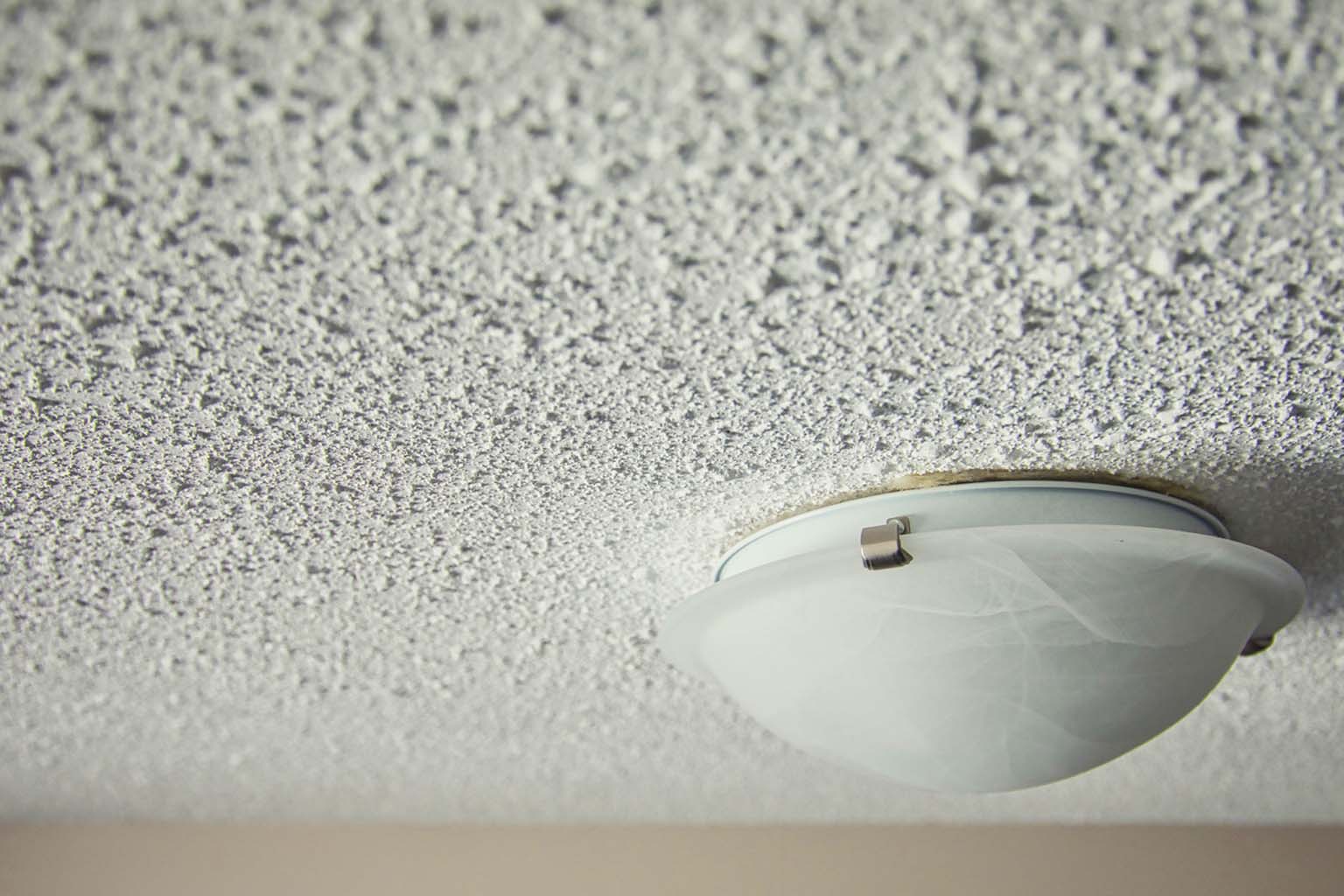
Popcorn ceilings have been a signature of many older homes, but today, they often evoke a sense of datedness and neglect. If you’ve ever found yourself staring up at that bumpy texture, wishing for a cleaner, more modern look, you’re not alone. Removing or covering popcorn ceilings is one of the most effective ways to instantly transform your living space, brightening rooms and simplifying maintenance.
Why many homeowners want to remove popcorn ceilings
Once popular for their ability to mute sound and hide imperfections, popcorn ceilings have fallen out of favor. Beyond their outdated appearance, they are notorious for trapping dust, cobwebs, and allergens, making upkeep a genuine challenge. In fact, the rough texture can aggravate allergies and reduce indoor air quality.
Before attempting removal, safety is paramount. Many popcorn ceilings installed before the 1980s contain asbestos, a hazardous material linked to serious respiratory illnesses. The Environmental Protection Agency (EPA) strongly advises that if you suspect asbestos, you hire licensed professionals rather than attempting a DIY project. According to the EPA guidelines, disturbing asbestos-containing material without proper precautions can release dangerous fibers into the air.
Step-by-step guide to removing popcorn ceilings safely and effectively
If your ceiling tests asbestos-free, removing that textured surface can be a weekend project with the right tools and preparation. You will need basic supplies: a ladder, a drywall knife, a floor scraper, plastic sheeting or paper to protect your flooring, painter’s tape, trash bags, and a shop vacuum to manage dust. Equally important, wear safety gear like a dust mask, goggles, and disposable or old clothes.
The removal process depends on whether your popcorn ceiling has been painted. For unpainted ceilings, simply spray water in small sections using a pump spray bottle or garden hose with a bucket to dampen the texture. Wait about 10 minutes for the water to penetrate, then scrape gently with a drywall knife. As the water softens the texture, it should come off easily without damaging the drywall.
Painted ceilings require a bit more effort since the paint acts as a sealant. Start by dry-scraping the surface to break the seal, then spray with water and wait. You may need to repeat this cycle several times until the texture loosens. Patience is key. Working in small sections ensures a smooth, damage-free removal.
Protecting your living space during this messy process cannot be overstated. Cover floors with plastic sheeting secured with painter’s tape, move furniture out or cover it, and shut off your HVAC system to minimize dust circulation. Taking these steps means cleanup is faster and your home stays safe and tidy.
Alternatives to DIY scraping for a stylish finish
For many, the idea of scraping miles of ceiling texture is daunting. Thankfully, you don’t have to remove popcorn ceilings to modernize your space. Covering options include elegant wood or beadboard paneling, or even contemporary ceiling tiles designed specifically to hide imperfections.
Another approach widely favored by professionals is applying a skim coat of joint compound after lightly sanding the surface. This technique smooths out the bumps and creates a clean slate for paint, offering a professional look without the mess of complete removal. Partial removal combined with smart decor can also yield dramatic style upgrades.
Why upgrading your ceiling is worth the effort
The benefits of removing or covering popcorn ceilings reach beyond aesthetics. A smooth ceiling allows light to bounce more effectively around the room, amplifying brightness and making spaces feel larger and more welcoming. It also revolutionizes how you clean your home—no more dust traps or cobweb hassles.
Personally, I, a seasoned home editor with years of remodeling experience, tackled a popcorn ceiling last summer. While initially hesitant about the mess, the process was manageable and the payoff was remarkable. The living room felt revitalized, brighter, and the fresh ambiance made the effort well worth it.
Experts agree; a 2022 report from the American Society of Home Inspectors highlights that homebuyers are increasingly wary of popcorn ceilings during inspections and often see their removal as a value-adding upgrade. This suggests that tackling this project not only enhances your everyday comfort but can also boost your home’s market appeal.
Whether you choose to DIY or hire a pro, removing or covering popcorn ceilings is an investment in your home’s future. Have you transformed your popcorn ceiling? Share your stories, tips, or questions in the comments below—we’re eager to hear how you made your home brighter and fresher.