


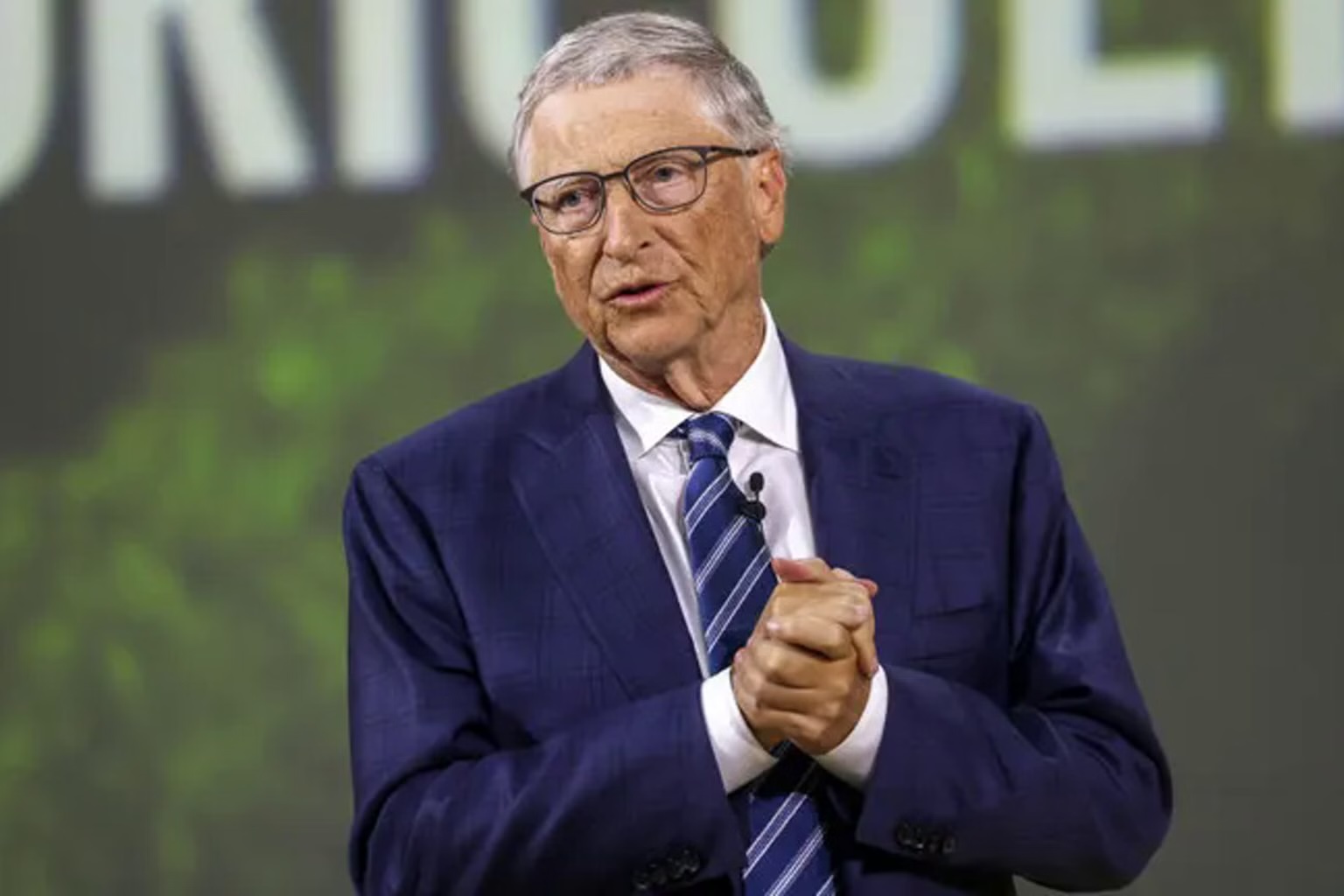
Artificial intelligence is transforming the job landscape faster than ever, sparking concerns about which careers will survive the AI revolution. But tech visionary Bill Gates offers a refreshing perspective on the future of work, identifying three career paths that remain remarkably safe from being fully replaced by machines. These fields lean heavily on human creativity, intuition, and judgment—qualities that no algorithm can genuinely replicate.
For anyone thinking strategically about their career, understanding these resilient professions could be a critical step toward long-term stability and fulfillment.
Why biology remains fundamentally human
Bill Gates highlights biology as a prime example of a profession where human involvement is indispensable. While AI excels at handling vast datasets and recognizing patterns, it lacks the nuanced instincts required for biological discovery. Gates points out that biology demands the ability to formulate original hypotheses—a deeply creative process that machines cannot initiate on their own.
Drawing from personal academic experience, I recall that biology classes went beyond memorizing facts; real breakthroughs often came from creative experimentation and trusting a scientist’s gut feeling. This blend of human insight and curiosity is what powers many advances in medicine, genetics, and ecology—areas where rigid programming falls short.
Software development: the human spark in coding
Software development is another field where humans remain irreplaceable, despite AI’s impressive coding assistance. Gates reminds us that while algorithms can automate mundane tasks like debugging or code optimization, the strategic thinking and innovative vision of experienced programmers can’t be duplicated.
From my own attempts at coding, the moments of true progress often came from unexpected connections and creative problem-solving—the kind that machines can’t manufacture. Gates insists AI should be seen as a supporting tool for developers, empowering them rather than substituting for their creativity. As technology advances unpredictably, human adaptability and imagination remain crucial.
“AI will assist but never replace the ingenuity of human programmers,” Bill Gates noted in a 2023 interview with TechCrunch.
Energy careers: where judgment and experience matter most
In sectors like energy production and management, the stakes are particularly high. Operating power grids, managing nuclear plants, and integrating renewables are tasks that involve complex safety concerns and unpredictable risks. Gates underscores that whereas AI can analyze trend data and provide forecasts, it cannot fully grasp the nuances or weigh risks like an experienced human can.
Watching documentaries about energy managers augmented by AI tools reveals this synergy beautifully. While AI helps identify potential issues, it is human judgment and expertise that guide crucial decisions to keep systems stable and secure. According to the U.S. Energy Information Administration, human oversight in energy management is vital to prevent outages and maintain grid reliability. This makes the collaboration between human and machine essential in safeguarding our energy infrastructure.
What this means for your career and future
The message from Gates and many experts is clear: as AI becomes more sophisticated, the value of deeply human traits—from creativity to intuition and sound judgment—will only increase. Careers in biology, software development, and energy management exemplify where humans hold an enduring advantage over machines.
For those exploring career paths or considering shifts in a fast-changing economy, embracing what makes us uniquely human is not just smart—it’s empowering. Meaningful work often involves innovation, leadership, and complex problem-solving—qualities that can’t be outsourced to AI.
Dr. Lisa Nguyen explained in a 2024 study that job roles emphasizing emotional intelligence and critical thinking show far greater resilience in automation-heavy work environments (Brookings Institution).
Have you ever tackled a problem that technology simply couldn’t solve? How do you view the balance between human skill and AI technology in shaping your career? Sharing your insights could spark valuable conversations.
Feel free to leave your thoughts in the comments below and share this article with anyone trying to navigate the future of work. The partnership between human talent and artificial intelligence is still unfolding—your perspective is a vital part of that ongoing story.