


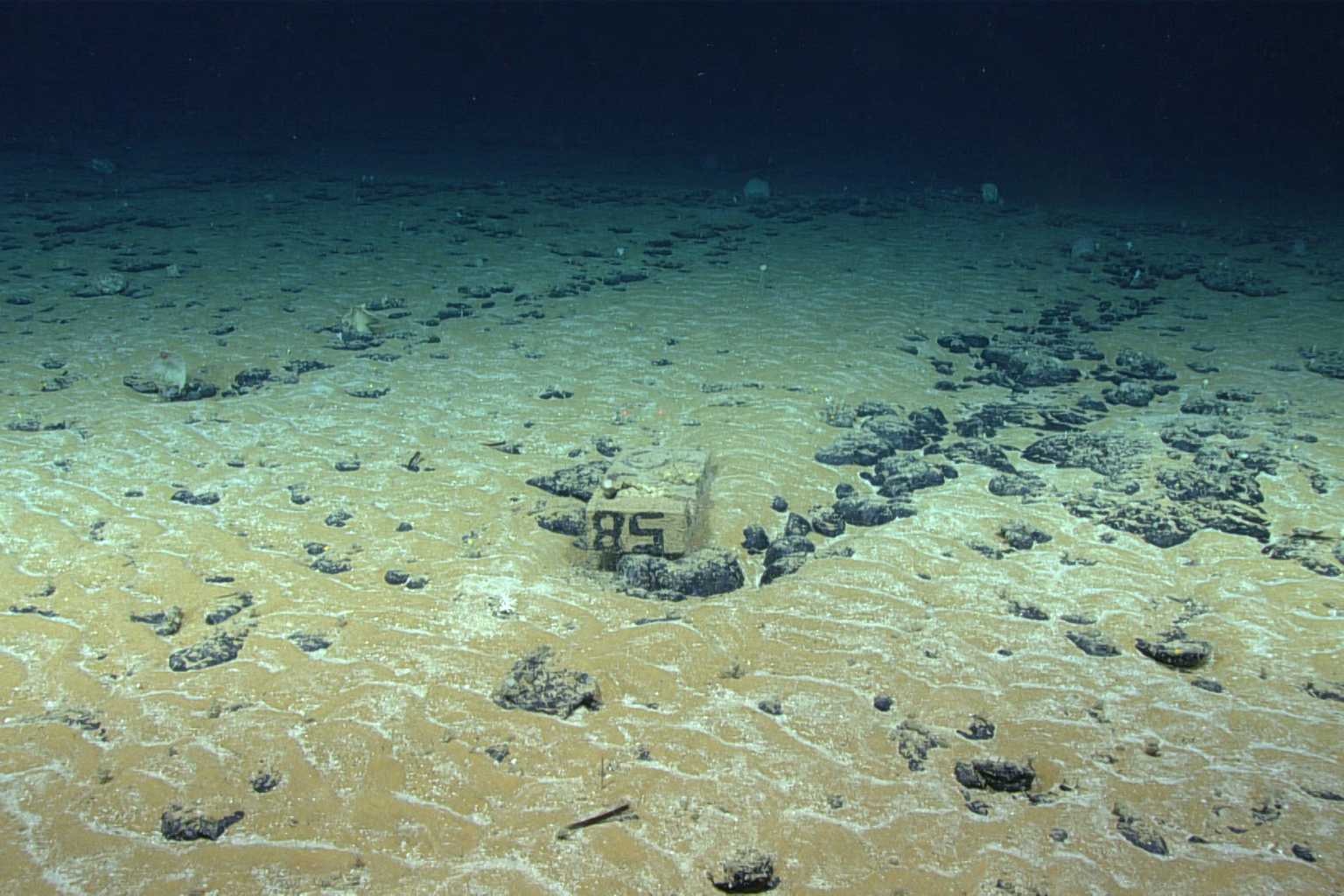
Europe is standing on the brink of an energy revolution, with a remarkable discovery hidden beneath the North Sea’s waves. Imagine a treasure—not of gold or jewels—but a vast, untapped source of clean, sustainable energy capable of producing nearly 45,000 tons of green hydrogen annually. This could be a game-changer in Europe’s effort to combat climate change and reduce dependence on fossil fuels.
This story isn’t just about sheer volume; it’s about the promise of a greener, more resilient future powered by innovative technology and determined collaboration.
Uncovering Europe’s largest oceanic energy resource
The North Sea has long been synonymous with oil and natural gas, fueling Europe’s industrial growth for decades. But today, this same body of water is poised to become the continent’s largest producer of green hydrogen. The key lies in the region’s ideal conditions—steady, strong winds and shallow waters—which make it perfect for building massive offshore wind farms.
These wind farms could eventually generate up to 300 gigawatts of electricity, enough to power millions of homes across Europe. That electrical power is crucial because it fuels a process called electrolysis, which splits water molecules into oxygen and hydrogen. When the electricity comes from wind energy, it produces carbon-free hydrogen fuel, a clean alternative that could transform sectors traditionally reliant on fossil fuels, such as transportation, manufacturing, and heating.
Cutting-edge innovations boosting green hydrogen production
One of the standout advancements pushing this energy transition forward is the Windcatcher system, a floating structure equipped with multiple wind turbines arranged like a giant curtain catching the wind. This design significantly increases energy capture compared to traditional wind farms, reducing costs and making large-scale hydrogen production more economically viable.
If deployed at full scale, these systems could enable Europe to produce close to 45,000 tons of green hydrogen per year. This volume represents a pivotal step in achieving the continent’s climate targets by displacing emissions from heavy industry and transportation.
Experts from the European Commission emphasize that scaling such technologies can amplify Europe’s leadership in renewable energy innovation, creating not just environmental benefits but also thousands of green jobs.
According to a 2023 International Energy Agency (IEA) report, green hydrogen produced using offshore wind is among the most promising solutions to meet rising global clean energy demand, highlighting its potential to reshape energy landscapes worldwide.
“Hydrogen fuels from renewable sources can unlock a net-zero future for Europe, providing new energy security and economic opportunities,” stated Fatih Birol, Executive Director of the IEA, in a recent briefing.
Challenges on the road to a hydrogen-powered Europe
Despite these exciting prospects, the transition to widespread green hydrogen use isn’t without hurdles. One of the main challenges is the significant upfront investment required to develop offshore infrastructure capable of supporting large-scale electrolysis and hydrogen storage. Building these facilities in harsh marine environments demands robust engineering and substantial financial backing.
Additionally, regulatory complexities pose a significant roadblock. Europe’s multiple national jurisdictions and fragmented regulatory frameworks slow down project approvals and coordination, leading to delays in bringing new projects online.
Europe’s energy landscape is diverse, with member states moving at different paces depending on their policies and priorities. This fragmentation makes it harder to unify strategies around green hydrogen development. Experts believe that streamlining regulatory processes and enhancing cross-border cooperation will be essential to unlocking the full potential of this resource.
A future shaped by Europe’s oceanic green hydrogen
If Europe rises to these challenges, it could pioneer a new chapter in global energy history. The North Sea, once symbolic of fossil fuel dependency, can become a beacon of environmental innovation and economic renewal. This transition provides a unique chance not only to reduce carbon emissions but also to shore up energy security by cutting reliance on imported fuels.
The renewable hydrogen revolution would ripple through industries, from heavy manufacturing and shipping to heating homes, creating sustainable employment and lowering Europe’s carbon footprint in countless ways.
For many energy analysts, the promise of green hydrogen goes beyond just technology—it’s about reshaping entire economies sustainably. The European Commission’s energy roadmap for 2050 envisions hydrogen playing a central role in achieving climate neutrality, underpinning the continent’s long-term goals.
Here’s a brief YouTube explainer from the European Energy Agency that dives into how green hydrogen works and its potential impact on Europe’s energy system—a great visual resource to understand this complex, exciting technology.
Europe’s energy future is unfolding beneath the waves—if the continent can harness this immense power, the implications will echo for generations. The green hydrogen bounty hidden in the North Sea could become the oasis that quells energy uncertainty and leads the way to a truly sustainable tomorrow.
What are your thoughts on Europe’s push for green hydrogen? Do you believe this oceanic treasure can reshape the future? Share your insights and join the conversation below—we’re all part of the energy transformation story that’s happening right now.