


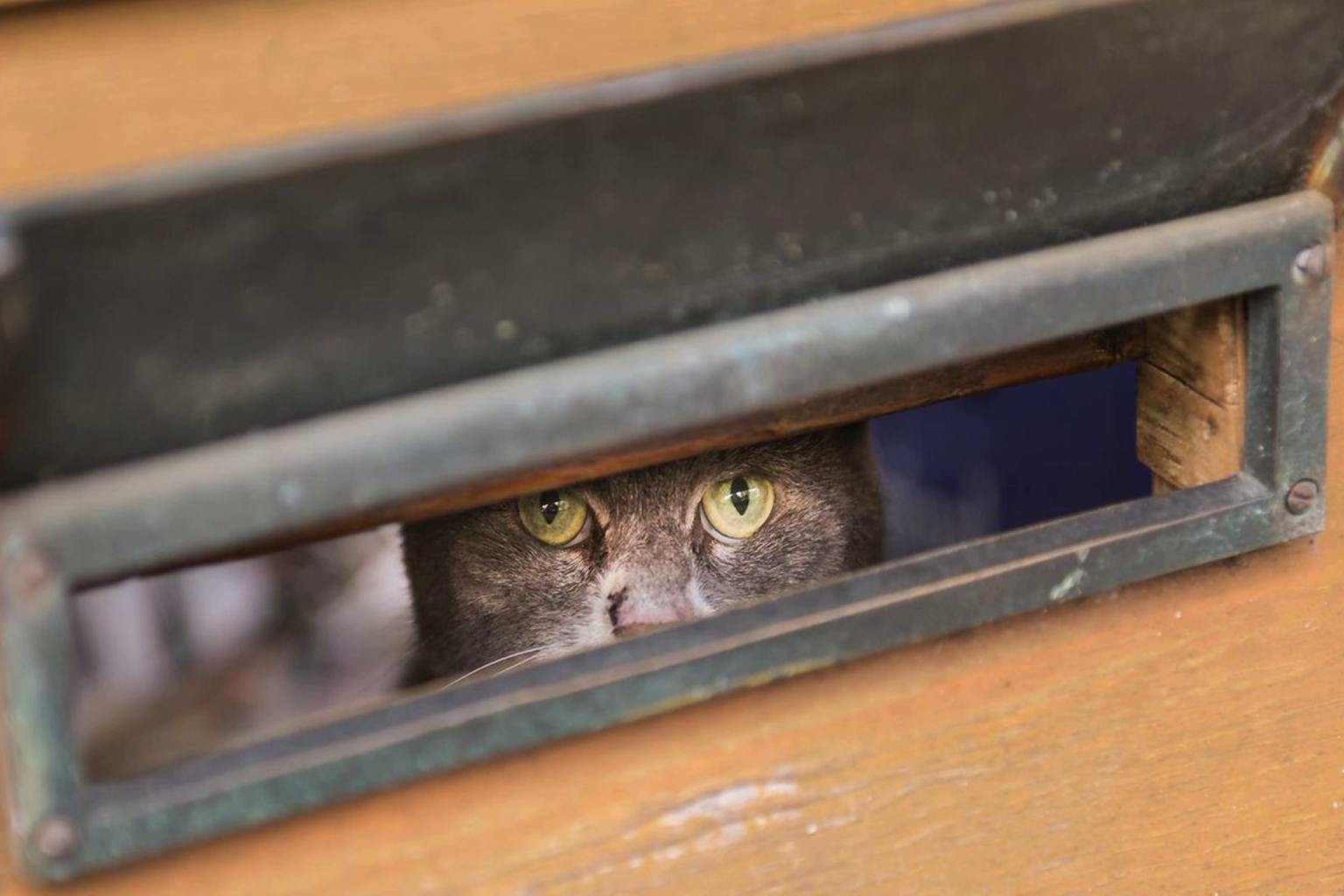
Cats might seem like the ultimate independent pets, but how long can they truly be left alone without harming their well-being? Far from the aloof creatures many imagine, recent scientific research reveals that cats can suffer from loneliness and stress, leading to behavioral issues. Understanding these insights is vital for any cat owner who wants to ensure their feline companion remains happy and healthy.
The surprising effects of prolonged loneliness on cats
Many cat owners believe their pets are perfectly fine spending long hours or even days alone. Cats often get a reputation for independence and even stubbornness, making them seem fine without constant attention. However, scientific studies paint a more complex picture of feline emotional health.
A noteworthy study published in PLOS ONE provides clear evidence that cats left alone for extended periods—more than six hours a day on most days—often display signs of separation anxiety and loneliness. These cats may engage in behaviors such as inappropriate urination, excessive vocalization, destructive scratching, and lethargy. The study indicates that over 10% of indoor cats regularly left alone face these psychological challenges, suggesting profound impacts on their mental well-being and quality of life.
How long can cats be safely left alone?
The answer to how long a cat can be left by itself depends greatly on factors like age, health status, and their environment. Healthy adult cats typically should not be left unattended for more than 24 hours, with 48 hours being the maximum—even then, only under strict provisions. For kittens, elderly cats, or those with health conditions, nearly constant supervision is necessary to prevent stress and possible health risks.
Providing essentials such as fresh food, water, and a clean litter box is just the baseline. Equally important is addressing a cat’s need for mental stimulation. Interactive toys, climbing structures, and puzzle feeders are excellent ways to keep cats engaged while alone. Some owners even find that having a second cat can significantly reduce feelings of loneliness and anxiety, but this requires careful introduction and compatibility assessment.
Cats are more social than you think
The idea that cats are solitary creatures is outdated. Emerging research highlights that cats are socially complex animals, capable of forming meaningful bonds with humans and other pets. According to Dr. Lisa Nguyen, an expert in feline behavior, “cats’ emotional health greatly depends on regular interaction” as outlined in her 2024 study on feline welfare.
This new scientific understanding explains why distress behaviors such as excessive meowing or destructive acts emerge when cats experience prolonged isolation. These aren’t just mischievous acts; they are clear indicators of emotional suffering.
For a deeper understanding, check out this insightful video from AnimalWised about recognizing and managing separation anxiety in cats:
Effective strategies to reduce feline loneliness
If leaving your cat alone is unavoidable, there are several proven ways to reduce their stress and potential loneliness:
– Offer enriching toys that mimic natural hunting behavior and keep your cat mentally stimulated.
– Use puzzle feeders that encourage problem-solving and physical activity.
– Maintain a consistent daily routine so your cat knows what to expect.
– Consider professional pet sitters or trusted friends to check in on your cat during long absences.
– Introducing a compatible feline companion can be a game changer but requires careful management.
– Utilize calming pheromone diffusers or consult your veterinarian about anxiety relief products suited for cats.
Dr. Emily Harcourt, a veterinary behaviorist with over 15 years of feline welfare experience, underscores the importance of social interaction: “Allowing too much alone time can have profound and lasting effects on a cat’s behavior and health.” Her expertise highlights how responsible pet parenting involves more than just physical care—it requires addressing emotional and social needs too.
This advice aligns with broader animal welfare findings. According to a 2023 report by the American Veterinary Medical Association, behavioral issues related to isolation constitute one of the top reasons cats are brought to veterinarians, illustrating the critical role of social welfare in feline health.
Taking steps to meet your cat’s social and emotional needs not only curbs undesirable behaviors but also builds deeper bonds between you and your beloved pet. After all, a well-adjusted cat is a joy to have around.
If you’ve had experiences leaving your cat alone or observed signs of separation anxiety, share your story below. What methods do you use to comfort and enrich your feline friend during your absence? Your insights might help fellow cat owners recognize and address these hidden emotional needs. Join the conversation and be part of building better understanding for cats everywhere!