


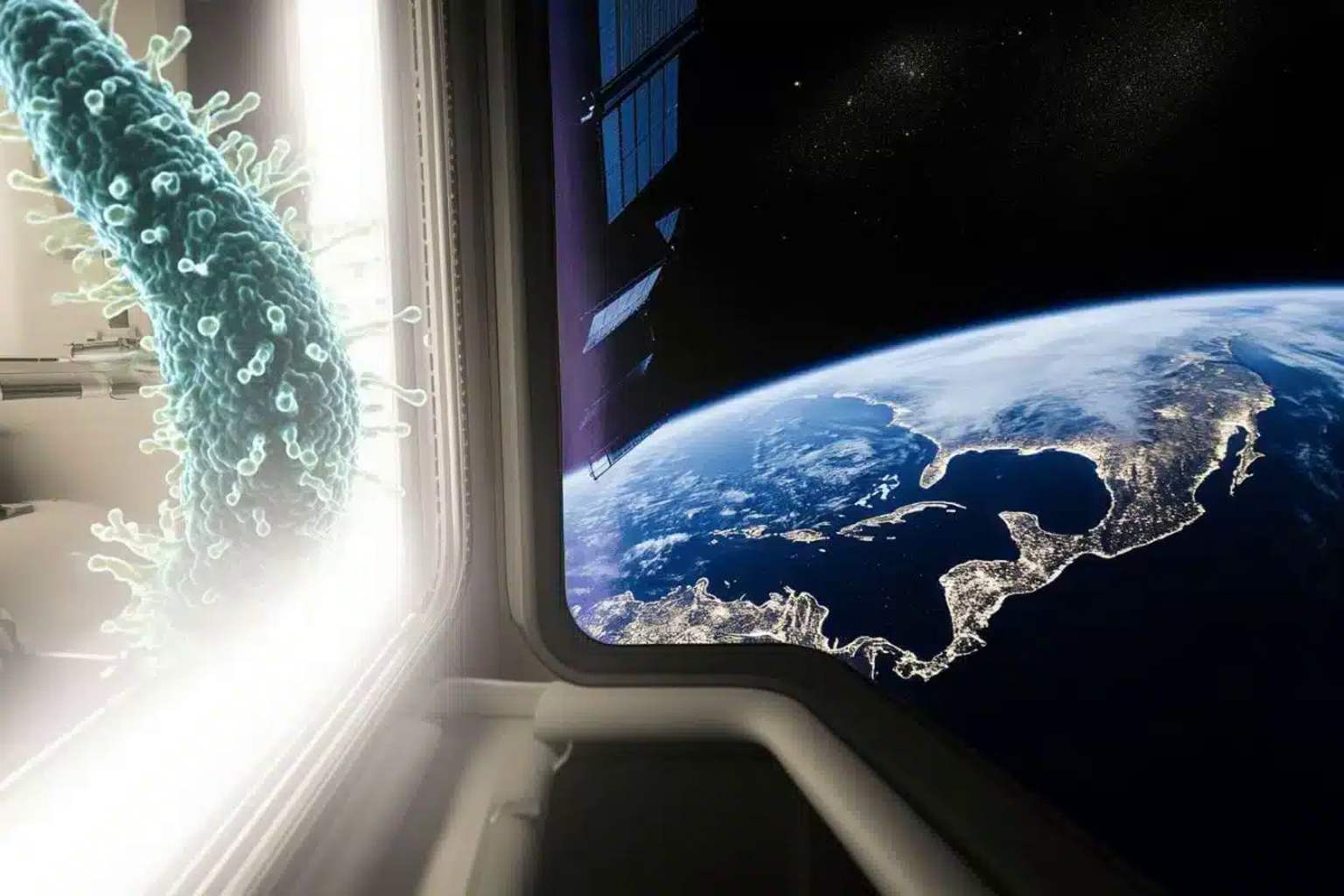
Scientists aboard China’s Tiangong space station have unveiled a groundbreaking discovery—a brand-new bacterial species floating some 250 miles above Earth. This astonishing organism isn’t merely surviving the brutal space environment; it’s thriving, challenging what we know about life’s incredible resilience beyond our planet.
Imagine being trapped inside a sleek metal capsule hurtling around Earth at nearly 17,500 miles per hour and stumbling upon an entirely unknown microbe species. That’s exactly what researchers experienced on the Tiangong space station, rewriting the story of biology in outer space and opening doors to new scientific frontiers.
A unique bacterial species adapting to space
The newly discovered bacterium, named Niallia tiangongensis, was found inside the station’s cabin. Though genetically related to terrestrial microbes, this strain displays remarkable adaptations that enable it not just to survive but to actively repair damage caused by space’s extreme conditions.
Space is among the harshest environments for life: cosmic radiation bombards cells relentlessly, oxygen is scarce, and microgravity induces oxidative stress that can easily damage vital biomolecules. Yet, this microbe has evolved sophisticated mechanisms to combat such cellular damage, showing sustained maintenance of its DNA and metabolic functions despite being miles beyond Earth’s protective atmosphere.
This discovery stems from close collaboration between the Shenzhou Space Biotechnology Group and the Beijing Institute of Space Systems Engineering. Their findings, recently published in the International Journal of Systematic and Evolutionary Microbiology, provide essential insights into microbial behavior during extended space missions—crucial for maintaining astronaut health and spacecraft integrity.
Understanding these survival strategies goes beyond curiosity. Microbes can pose risks to both the crew and onboard systems if unchecked, but the unique cellular protection and repair pathways unearthed here might inspire revolutionary advances in medicine and biotechnology on Earth.
Why space microbes matter for astronauts and us
Why should we care about bacteria thriving in orbit? Because space presents a deadly struggle for cellular life. Radiation-induced oxidative stress accelerates molecular damage, threatening tissues and organ function. Yet, Niallia tiangongensis demonstrates a stunning ability to mitigate these effects, constantly repairing its DNA and metabolic machinery.
As Dr. Lisa Nguyen explained in a 2024 study on extremophiles by NASA, “Understanding how organisms endure and adapt to high-radiation environments provides invaluable clues for protecting human cells during long-term space travel.” This new bacterium exemplifies that resilience in action.
On a personal note, the author recalls trekking to a tough mountain base camp with thin oxygen and freezing temperatures, where lichens and insects clung to life against the odds. This discovery on Tiangong magnifies that powerful lesson—life doesn’t just endure harsh environments; it evolves to thrive in them.
The implications extend beyond astronaut safety. By unraveling how these microbes regulate their genetics, metabolism, and damage control during space exposure, scientists may unlock new antibiotics, enhanced cancer radiotherapies, or even biomaterials engineered with space-grade durability.
Impacts on future space missions and Earth sciences
As humanity prepares for longer missions to Mars and beyond, managing microbial life aboard spacecraft becomes essential. The discovery of Tiangong’s unique bacterial strain offers a rare glimpse into how microbial communities might be controlled or even harnessed to create safe, sustainable habitats far from Earth.
The China Manned Space Agency hailed this research as an “exceptional harvest” linking molecular microbiology with practical applications. Space exploration isn’t just about technology or planets; it’s a profound quest to understand life’s boundaries and potential.
These bacterial insights could safeguard astronauts on multi-year journeys and unleash novel medical therapies back home. Microbes that have mastered survival in space’s unforgiving realm might hold keys to protecting human health on Earth, too.
The fascinating crossover from cosmic biology to earthly benefits highlights how investing in space research drives innovation that extends far beyond orbit.
Reflecting on nature’s unyielding resilience
This discovery rekindles a deep respect for life’s tenacity. Every microbe, plant, or animal is a testament to evolution’s power to adapt and flourish. The fact that bacteria can not only survive but repair damage and thrive in outer space forces us to rethink the limits of biology.
Have you witnessed organisms growing where they seemingly shouldn’t—like a tenacious weed pushing through city pavement or wildlife reclaiming urban spaces? Sharing stories of life’s indomitable spirit reminds us why these discoveries matter.
As we venture deeper into space, how do you think these resilient microbes will shape our future—both off-world and back on Earth? Join the conversation by sharing your thoughts and experiences. Let’s explore together how these tiny space pioneers could pave the way for the next breakthroughs in human health and technological innovation.
Source: International Journal of Systematic and Evolutionary Microbiology