


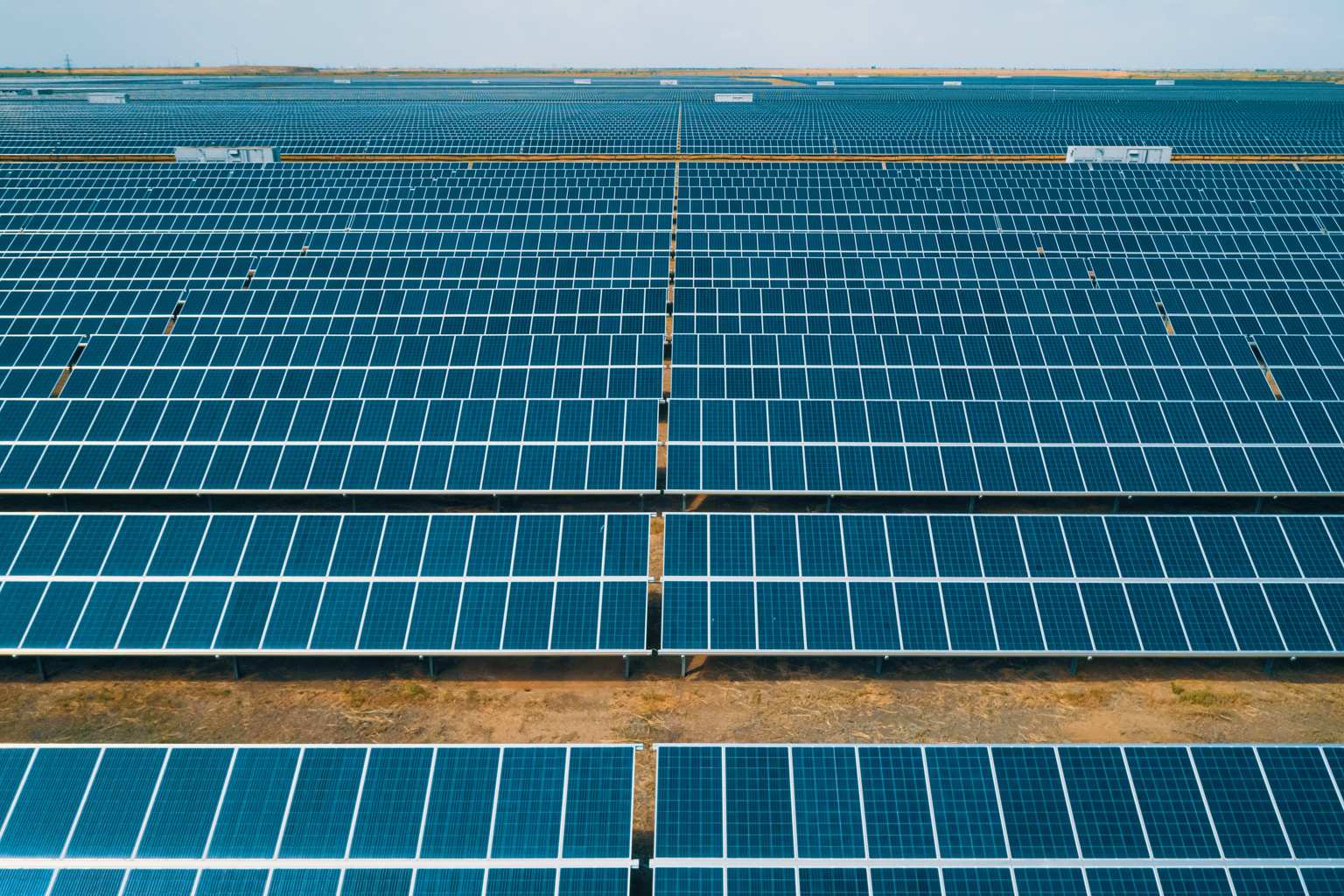
For decades, the United Arab Emirates (UAE) was synonymous with oil wealth — a country that skyrocketed to global prominence thanks to its vast petroleum resources. Iconic cities like Dubai and Abu Dhabi dazzled the world with their state-of-the-art skyscrapers and luxury. But today, the UAE is stepping into a new era. It’s bidding farewell to oil and embracing an exciting renewable revolution with a monumental solar plant powered by 3.2 million panels. This is the story of a nation determined to secure a cleaner, brighter future.
The immense power of solar energy in the desert
The Noor Abu Dhabi solar plant is one of the largest solar power installations worldwide. Nestled in the desert, where the sun blazes almost every day, it harnesses the region’s relentless sunshine to generate electricity. With 3.2 million solar panels sprawling across the landscape, this giant installation can produce about 2,000 gigawatt-hours of energy annually.
To put that into perspective, this amount of clean energy is enough to supply electricity to approximately 66,000 homes. Thousands of families can now power their lights, air conditioners, and gadgets without burning a single drop of oil. This spectacular shift signals the UAE’s commitment to reduce its carbon footprint while meeting the demands of a growing population.
The strategic vision behind the clean energy transition
Although the UAE has long been a global oil powerhouse, its leaders fully recognize that oil reserves will not last forever. This awareness sparked the landmark UAE Energy Strategy 2050, which aims to transform the nation’s energy landscape by diversifying sources and boosting sustainability.
The strategy focuses on two main goals: increasing the share of clean energy in the energy mix and reducing carbon emissions significantly. Noor Abu Dhabi is a cornerstone of this vision, exemplifying how large-scale renewable energy projects can power a modern economy.
According to the International Renewable Energy Agency (IRENA), the UAE’s investments in solar energy are helping it become a global leader in clean energy innovation and reducing dependence on fossil fuels (IRENA report).
How Noor Abu Dhabi generates clean power
At the heart of Noor Abu Dhabi lies photovoltaic technology, a clean and efficient method that converts sunlight directly into electricity. Each solar panel contains special materials that release electrons when struck by sunlight, generating an electric current.
This process produces electricity silently and without harmful emissions—no smoke, no fuel combustion, no noise—just pure, renewable energy. The generated electricity flows through cables that connect homes, offices, and industries across the country.
Given the UAE’s consistently sunny climate, Noor Abu Dhabi can produce electricity reliably and steadily throughout the year. This dependable energy source supports the nation’s growing power needs while promoting environmental sustainability.
Collaboration and innovation drive success
The achievement of Noor Abu Dhabi reflects a powerful collaboration between the UAE government and international partners, including Marubeni Corporation and JinkoSolar. These companies provided expertise and resources to construct and operate the plant successfully.
Years of planning, teamwork, and innovation culminated in worldwide recognition. The project was honored with the Power Generation Project of the Year award at the 2020 MEED Project Awards, underscoring its significance. This accolade confirms the UAE’s leadership in the renewable energy sector and highlights the success of its Energy Strategy 2050.
Experts like Dr. Lisa Nguyen, a clean energy analyst, emphasize that such projects exemplify how nations rich in fossil fuels can transition toward cleaner energy while maintaining economic growth and energy security.
What the energy future holds in the UAE
Noor Abu Dhabi marks just the beginning of a sweeping renewable revolution in the UAE. The country is diversifying its clean energy portfolio with exciting ventures like wind farms and peaceful nuclear power projects. For example, Dubai is currently developing advanced solar power facilities that locals describe as futuristic “photovoltaic UFOs” rising from the desert sands.
These ambitious projects align with the UAE’s long-term goal: ensuring that future generations enjoy access to safe, clean, and affordable energy. This shift from oil dependency to renewable energy is a powerful reminder that even the most oil-rich nations can reshape their futures by harnessing innovation and sustainable resources.
As the world watches this transformation, the message is clear: oil belongs to the past, and the future is solar-powered — bright, sustainable, and full of hope.
If you’re inspired by the UAE’s solar journey or have thoughts on renewable energy’s potential, please share your opinions or experiences in the comments below. Your voice matters in this global conversation about energy’s future.