


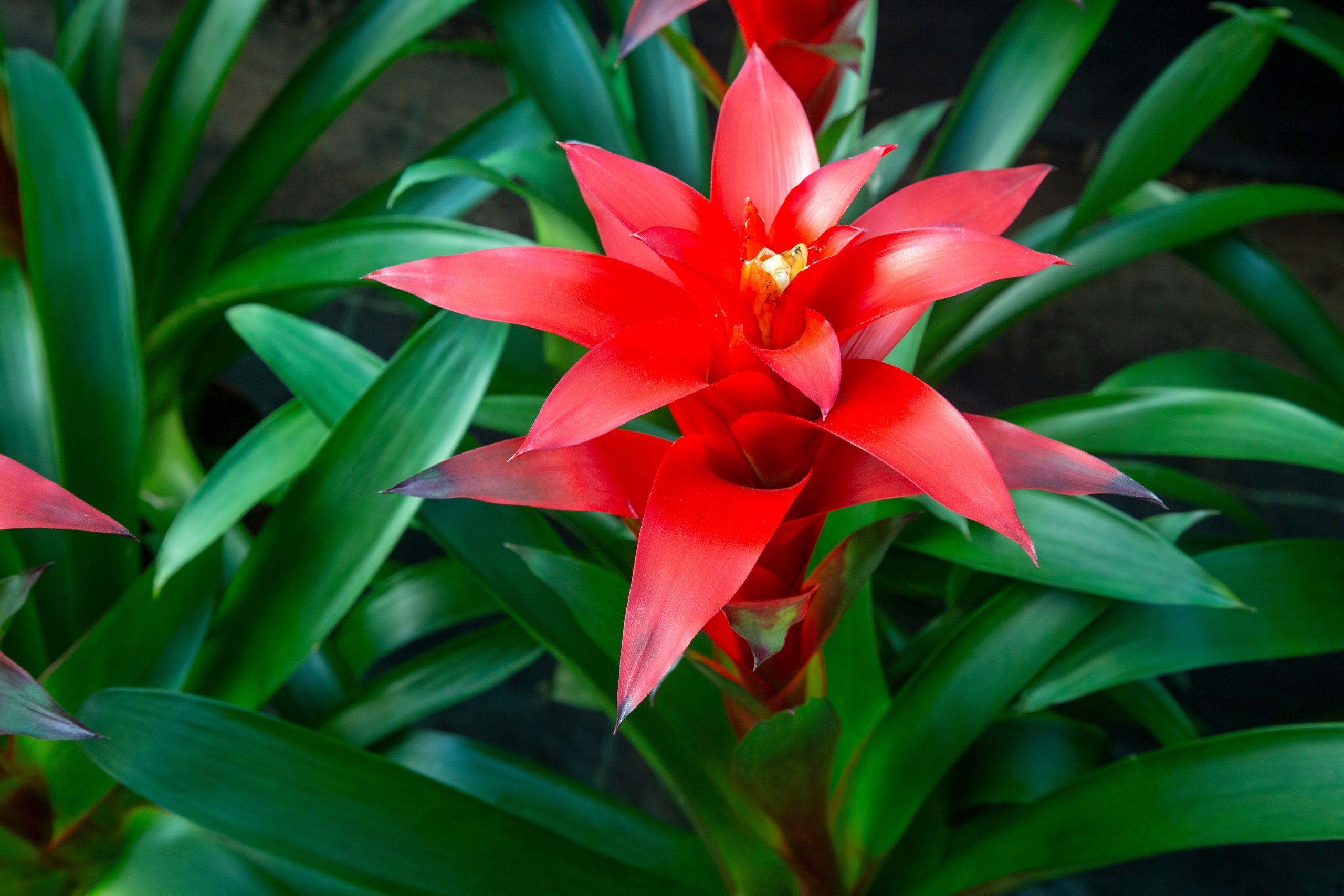
When it comes to keeping your Guzmania vibrant, it’s all about nailing the right care routine. With just a few simple steps, you can enjoy a plant that’s not only healthy but also bursts with colorful leaves throughout the year. Let’s dive into how you can fertilize and nurture your Guzmania for the best results.
Understanding the natural habitat of Guzmania
Most Guzmanias we bring into our homes are epiphytes, meaning they naturally grow by clinging onto trees, suspended in the air. In the wild, their unique central cup acts as a natural reservoir for both water and nutrients.
Leaves, insects, and other organic matter fall into this central pool, decomposing slowly and providing a steady source of nourishment. This clever adaptation means Guzmanias in the wild can thrive without soil, drawing everything they need right from their environment.
I love thinking about how this little natural recycling system works, almost like nature’s very own fertilizer dispenser, perfectly timed for the plant’s needs.
Challenges of growing Guzmania indoors
Bringing Guzmania into your home sets the stage for a challenge: you can’t replicate its natural surroundings perfectly. Your plant won’t get the constant refresh of rainwater or the regular supply of decomposing organic debris like it would in a tropical forest.
Because of this, certain care rules become essential if you want your Guzmania’s leaves to stay bright and colorful. Without the natural “cup feed” system working, the plant depends on you for the right nutrients and hydration.
How to fertilize Guzmania for colorful leaves
First things first: choose the right fertilizer. A balanced, general-purpose fertilizer works well during the plant’s active growing seasons—primarily spring and summer. Avoid fertilizers high in nitrogen since too much nitrogen can stunt flowering and affect the leaf color negatively.
When using fertilizer, dilute it with water and apply it as a spray to avoid overfeeding. Applying fertilizer directly to the Guzmania’s central cup is a big no-no—it risks burning the plant tissues and causing stress. Also, steer clear of solid fertilizers like powders or sticks in the cup.
Fertilizing outside of the growth period, especially in fall and winter, can damage leaves, so timing is crucial here. If your Guzmania has healthy roots and is well-established, you can consider a slow-release fertilizer applied to the soil at the start of the growing season for steady feeding.
Adapting Guzmania feeding habits to indoor life
Even though Guzmanias are naturally epiphytes, generally not feeding through their roots but through the central cup, they can actually adapt. Over time, many indoor Guzmanias get used to absorbing nutrients through their roots, especially when grown in soil mixes or pots.
Each Guzmania species has evolved to thrive in its own unique environment, so some flexibility exists. This adaptation is good news for indoor growers who find it easier to fertilize the soil rather than risk harming the plant by putting fertilizer in the cup.
Lessons from personal experience and caring tips
I remember when I first brought a Guzmania home, I had no idea about its special feeding needs. I used a regular, undiluted fertilizer directly into its central cup, and guess what? The leaves started to brown and look unhappy. It was a learning experience that taught me just how sensitive these plants can be.
After switching to diluted sprays and slow-release fertilizers applied to the soil, I noticed how quickly the leaves regained their vibrant red and orange hues. Patience and careful observation made all the difference.
If you’re nurturing a Guzmania, keep a close eye on how it reacts to feeding and watering. Less is often more, especially with fertilizers. Remember that the goal is not just growth but maintaining that stunning leaf coloration that makes Guzmanias so unique.
Growing Guzmanias offers a fascinating glimpse into how plants can adapt and thrive with the right care. Have you had similar experiences cultivating exotic plants at home? Share your stories or questions below—we’d love to hear how you keep your indoor jungle flourishing!