


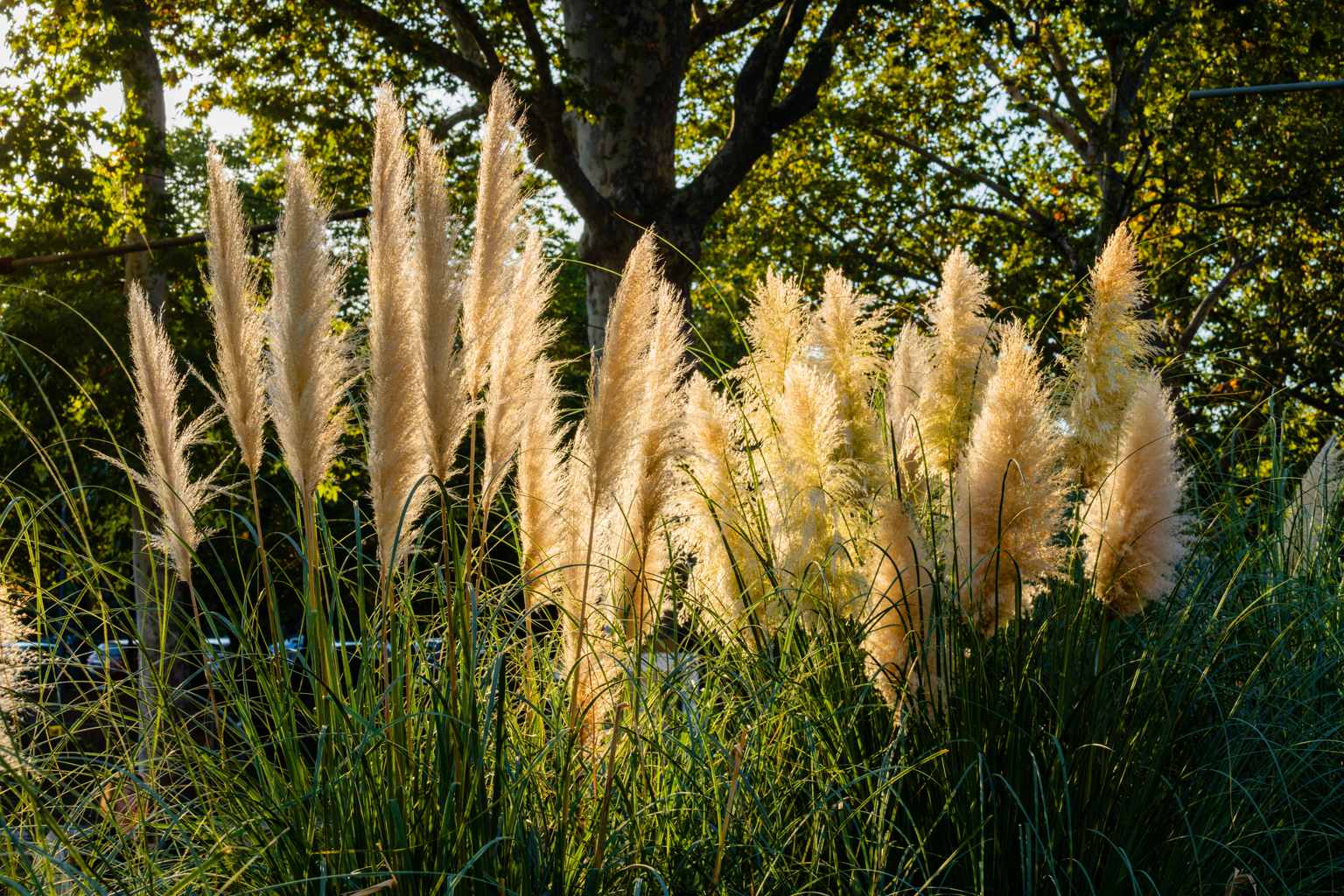
Pampas grass is taking the interior decorating world by storm with its tall, feathery plumes and warm, natural tones. If you’ve been searching for a stylish way to add texture and earthy elegance to your home, this long-stemmed flower might just be the secret you need. From its vintage garden charm to a modern minimalist statement piece, pampas grass effortlessly transforms any space.
Let’s dive into what pampas grass really is and how you can creatively incorporate it into your home decor to bring that easy, breezy vibe indoors.
What makes pampas grass so special
Pampas grass features an impressively long stem topped by a rich plume that looks like a soft feather duster. These plumes are available in beige, light brown, or a delicate pink blush, adding a subtle splash of color that’s never over the top. With its colors reminiscent of golden wheat fields, pampas grass calls to mind the romantic gardens of yesteryear.
But what truly sets this plant apart is its versatility. Even a single stalk in a simple glass vase can complement a chic modern living room with ease. Its natural tones and airy shape work just as well in rustic country homes or sleek urban lofts.
Growing pampas grass in your garden
If you live in a warm climate where pampas grass is a perennial, it’s important to know a few things before planting. This vigorous grower spreads out as its roots expand, and it also propagates by seed. It has a rather invasive growth habit, so once it takes hold, can be hard to remove thanks to its tough root system.
For gardeners, this means you should only consider planting pampas grass if you have plenty of space to spare. This expansive perennial can end up occupying your entire garden, potentially crowding out other plants you want to grow. Consider containing it with barriers or large pots if space is limited.
Planting and caring for pampas grass
While you can grow pampas grass from seed, it’s often better to start with a nursery-grown plant or split existing clumps. This approach increases your chances of growing a female plant, which produces the showy plumes favored for decoration. Male plants tend to have less impressive flowers.
Choose a spot with full sun and well-draining soil for planting. Dig a deep hole, place your pampas grass inside, and fill halfway with soil. Water it generously before topping off with the remaining soil to help the roots settle. Once established, pampas grass prefers drier soil, so moderate watering will keep it healthy.
Using pampas grass for home decor
The highlight of pampas grass is truly its elegant flowers. They bloom from late summer through fall in shades of creamy white, soft pink, or subtle beige. These fluffy blooms can be cut with stems anywhere from 12 inches to well over 30 inches long and used as striking decor elements.
Dried pampas grass retains its color and shape beautifully, lasting for weeks or even months without water. Placing a bunch in a clear glass vase creates a stunning centerpiece that elevates any room’s ambiance. I once added a handful of stems to my living room corner, and the difference was immediate—the space felt warmer and more inviting.
Consider resting the vase on the floor beside a sofa or using pampas grass as a fresh take on mantel or coffee table décor. The softness and height add elegant texture, making even a plain white wall stand out surprisingly well.
Tips for decorating successfully with pampas grass
When decorating with pampas grass, less is more. Let the natural beauty of the plumes shine without overcrowding your space. Pair them with neutral tones like creams, browns, and soft greens to keep everything harmonious.
Avoid placing pampas grass in high-traffic areas where they can be easily disturbed since their delicate shape can shed if handled roughly. A corner spot or bedside table often works perfectly.
If you’re worried about dust buildup, gently fluff the plumes outdoors every so often to keep them looking fresh. Some people spray them lightly with hairspray to minimize shedding—but in my experience, the natural look is part of their charm.
Have you tried pampas grass in your home or garden before? What creative ways have you found to use this versatile plant? Share your thoughts and styles below—let’s talk design!