


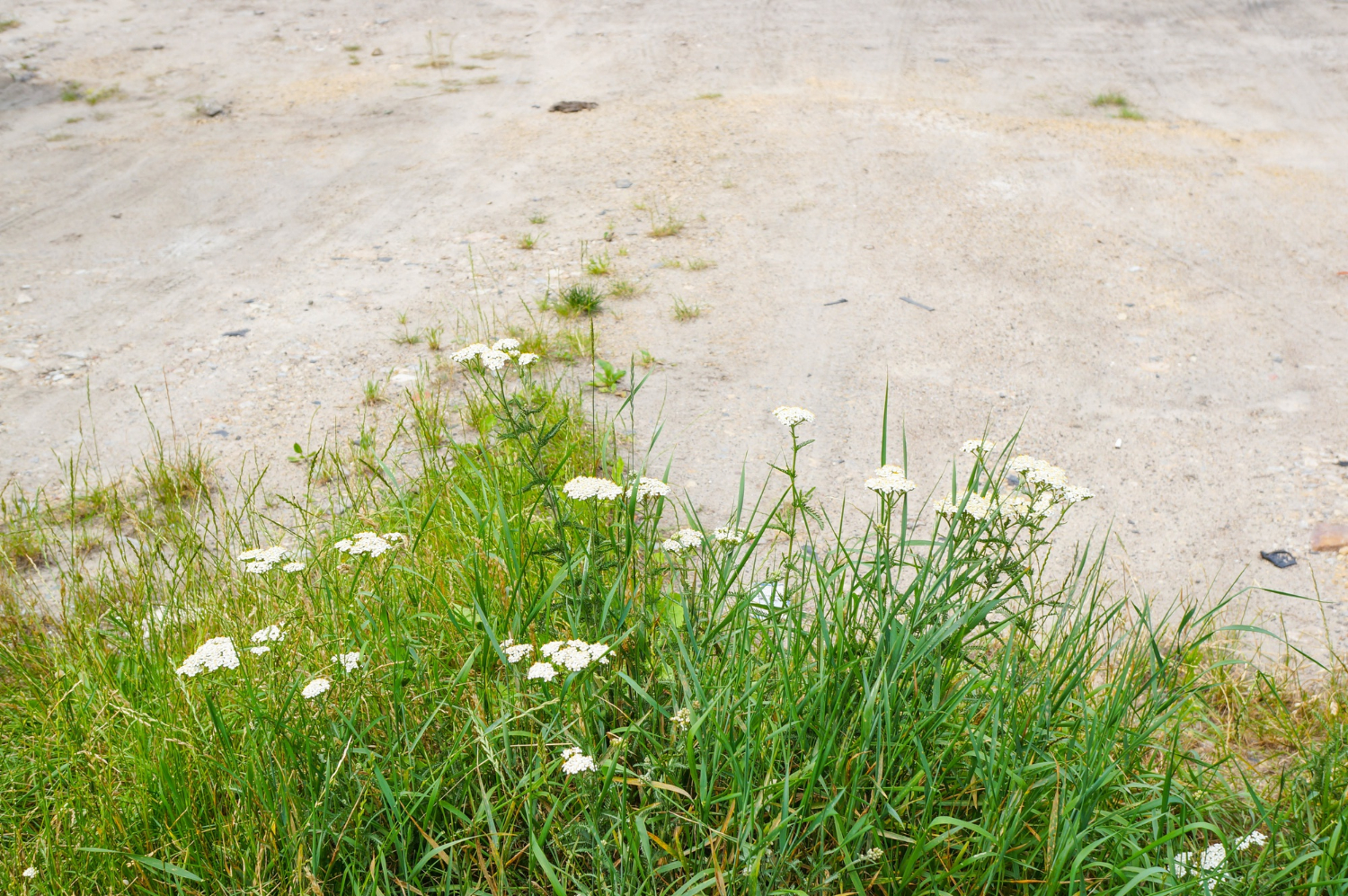
Weeds can turn a beautiful garden into a frustrating battleground, mixing in with your prized plants and stealing nutrients. If you’ve ever pulled one only to see it—and dozens more—return, you know how relentless these unwanted guests can be. But don’t throw in the towel just yet; smart strategies can help you win the war against weeds naturally and effectively.
Why pulling weeds isn’t always enough
At first glance, pulling weeds might seem like a simple fix. But many common garden weeds produce massive amounts of seeds that settle unseen into the soil. These seeds stay dormant until conditions are just right, ready to sprout again.
Worse yet, some weeds have a sneaky trick: they can grow new plants from tiny root fragments or leftover stem pieces. That means if you don’t remove every bit, your battle might only start anew. So pulling weeds might only work for a short time before they come back stronger.
Mulch: your garden’s secret weapon
One of the best ways to keep weeds in check is by covering your soil with mulch. Mulch can be made from bark chips, wood shavings, straw, or even pine needles. When you spread a 1.5 to 2-inch layer over your garden beds, it blocks sunlight from reaching weed seeds, preventing them from sprouting.
Besides blocking weed growth, mulch helps retain moisture and keeps the soil cooler, which your plants will love—especially during hot summer days. Regularly refreshing that layer to maintain coverage will keep your garden healthier and less weedy.
If you’re in a pinch, placing sheets of newspaper or biodegradable fabric over bare soil before mulching can add an extra light-blocking layer that chokes out weeds early on.
The right time and way to remove weeds
Pulling weeds is easiest right after you water your garden or following a rainfall because the soil is soft. This lets you extract roots more completely, reducing chances of regrowth.
If your garden is large and overrun, try focusing on smaller sections each day rather than rushing to clear everything at once. Once uprooted, let the weeds dry out in the sun before composting or tossing them, which stops roots or seeds from surviving.
Leaving pulled weeds lying around can cause new growth or seed scattering, so be thorough and get them out of the garden.
How to handle soil to minimize weeds
Here’s a surprising fact: your soil holds countless dormant weed seeds just below the surface. When you dig or till, you can unintentionally bring these seeds up into the sunlight, where they germinate and add to your weed problem.
Therefore, it’s best to avoid digging unless absolutely necessary. When you do disturb the soil, cover it quickly with mulch to keep light from helping those newly surfaced seeds to sprout.
In lawns or delicate areas, using a small narrow tool to cut through weed roots beneath the surface is effective and less disruptive than turning over the soil.
Watering smart to starve weeds
Many people don’t realize that the way you water your garden affects how well weeds grow. Sprinklers and automatic irrigation often water the entire area evenly, which means you’re watering both your plants and the weeds.
Switching to drip irrigation targets water directly to your plants’ roots, keeping the surrounding soil drier and less inviting to weeds. This simple change can dramatically reduce new weed seeds from sprouting.
Healthy soil enriched with fresh compost can also help your plants outcompete weeds since rich soil tends to favor strong plant growth and discourage weeds.
Design your garden to keep weeds away
How you space your plants can make a big difference. When plants are close together, their leaves create shade over the soil, denying light to weeds.
Planting densely rather than sparsely helps keep weeds crowded out naturally. This strategy not only reduces weeding work but also creates a lush, fuller garden bed.
I remember last spring pulling weeds from my garden for what felt like days, confident that I had cleared every last one. Within a week, they were back in full force. It was humbling to realize that brute force alone wasn’t enough.
After I started consistently mulching, switched to drip irrigation, and reconsidered plant spacing, my garden’s weeds dropped dramatically. It’s a slower process than just pulling every day, but it works. The small daily habits and thoughtful strategies became my best allies.
Dealing with weeds never truly ends, but with these natural, effective methods, you can keep your garden healthier and less overrun. Have you tried mulch or drip irrigation? What’s your best tip for outsmarting weeds? Share your stories or questions below—we’re all in this gardening journey together!