


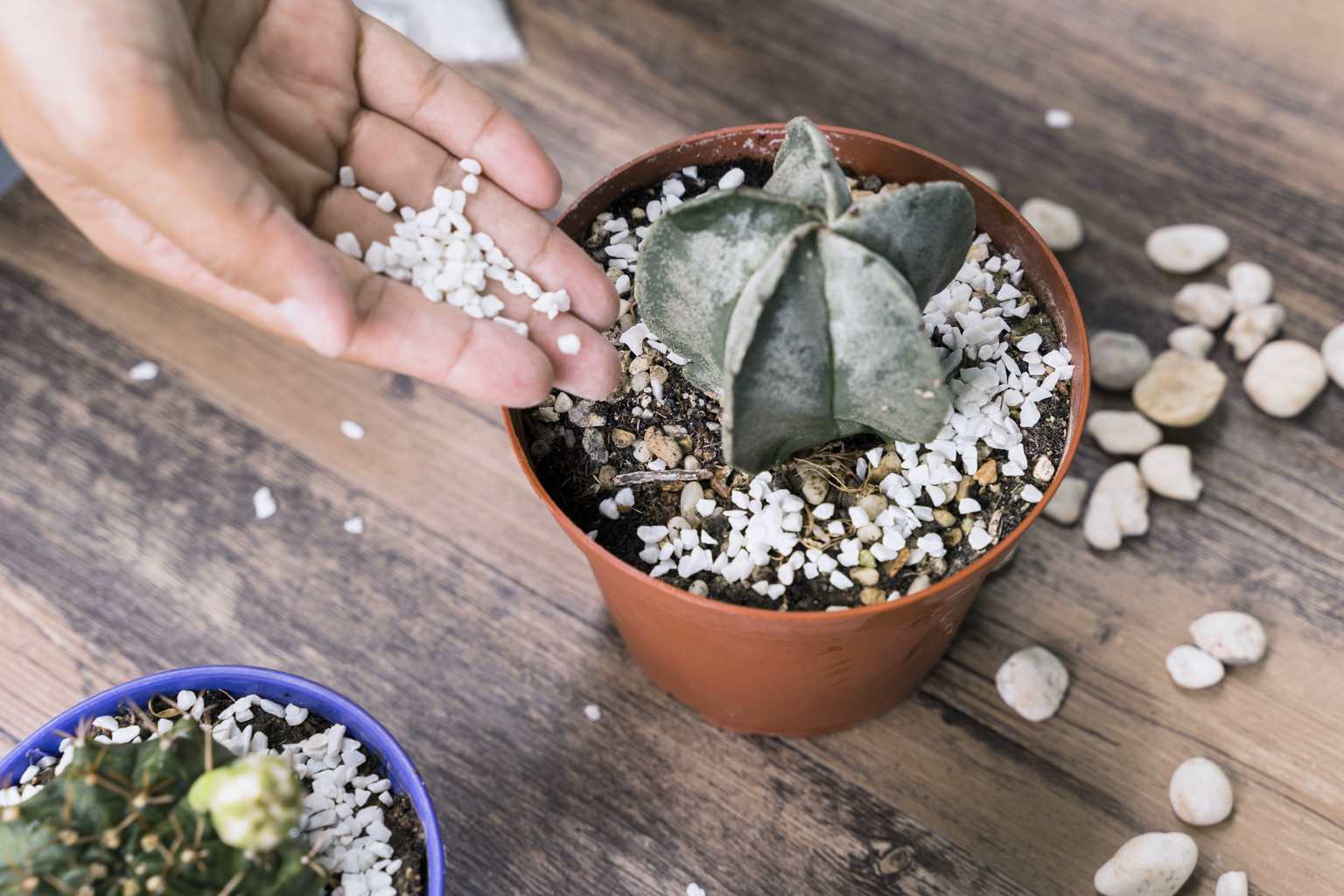
These charming little indoor gardens are more than just lovely decorations—they’re a fun way to bring life and color into your home. But what exactly is a terrarium, and which plants make the perfect fit? Let’s dive into everything you need to know to start your own green creation.
What is a terrarium
A terrarium is essentially a miniature garden housed within a glass container. Often sealed with a lid, these transparent vessels create a unique environment where plants can thrive. The container usually has a wide-enough opening so you can care for your plants easily.
Sometimes, terrariums come in large glass bowls or jars that catch the eye and add an elegant touch to any space. The beauty of making your own is crafting a one-of-a-kind piece that reflects your style and green-thumb flair.
Choosing plants for your terrarium
You can’t just pop any plant into a terrarium and expect it to flourish; selecting the right ones is key. Aim for plants small enough to fit comfortably inside without overcrowding or pushing against the glass sides.
Most thriving terrarium plants love humidity, as the enclosed space tends to keep moisture locked in. Ferns, mosses, and small tropical plants are classic choices. But here’s a cool twist: even though succulents and cacti don’t enjoy soggy roots, they can live happily in terrariums too—provided the container has an open side to ensure air circulation.
Finding the perfect plants is part of the fun. Once your green buddies are picked out, the next step is assembling your own eye-catching terrarium garden.
How to build your terrarium
Start by selecting a glass container with at least a single opening big enough for planting and regular upkeep. First, place a 3/4-inch layer of small stones or gravel at the bottom—this layer ensures proper drainage.
Next, sprinkle a thin layer of activated charcoal. This ingredient might sound fancy, but it’s a game-changer because it keeps water fresh and wards off bacteria inside the closed container.
After the charcoal, add a layer of potting soil suited to your plants’ needs. Carefully nestle your plants inside, covering their roots and keeping leaves or stems from touching the glass. Giving plants enough breathing room helps them grow strong and healthy.
Caring for your terrarium plants
Though terrarium plants are usually low maintenance, there are a few crucial care tips to keep your mini ecosystem thriving. The biggest risk is overwatering, since terrariums don’t have drainage holes like regular pots.
Always check soil moisture before watering. Using a spray bottle can help you add water bit by bit, avoiding waterlogged roots. One common mistake I learned the hard way was confusing condensation on the glass for dry soil—after a soggy start, my plants bounced back once I mastered gentle misting.
Also, avoid tap water if you can. Minerals and chemicals can build up over time, so distilled or bottled water is the best choice to keep your terrarium pristine.
Managing condensation and feeding
Terrariums naturally behave like tiny greenhouses, so a bit of condensation on the glass walls is a good sign your plants are happily transpiring. Don’t wipe it away—it helps keep humidity levels just right.
If the condensation becomes excessive, try giving your terrarium less direct sunlight or briefly removing its lid to let air in. And when it comes to feeding, resist the urge to fertilize. Since your terrarium is a closed system, extra fertilizer can quickly overwhelm and damage your plants.
Why terrariums are perfect for any space
Terrariums are amazing because they bring nature indoors in a stylish, manageable way. You can tailor them to fit any nook—from desks to coffee tables—and they brighten up rooms instantly.
Personally, I found building a terrarium a mini adventure in patience and care. Watching the plants adjust and grow inside that little glass world is surprisingly calming and rewarding. There’s something special about nurturing life in such a contained and beautiful space.
What about you? Have you ever built your own terrarium or thought about making one? Which plants would you pick? Share your stories and questions below. And if you enjoyed these tips, consider sharing them with friends who might love to add a splash of green to their lives.