


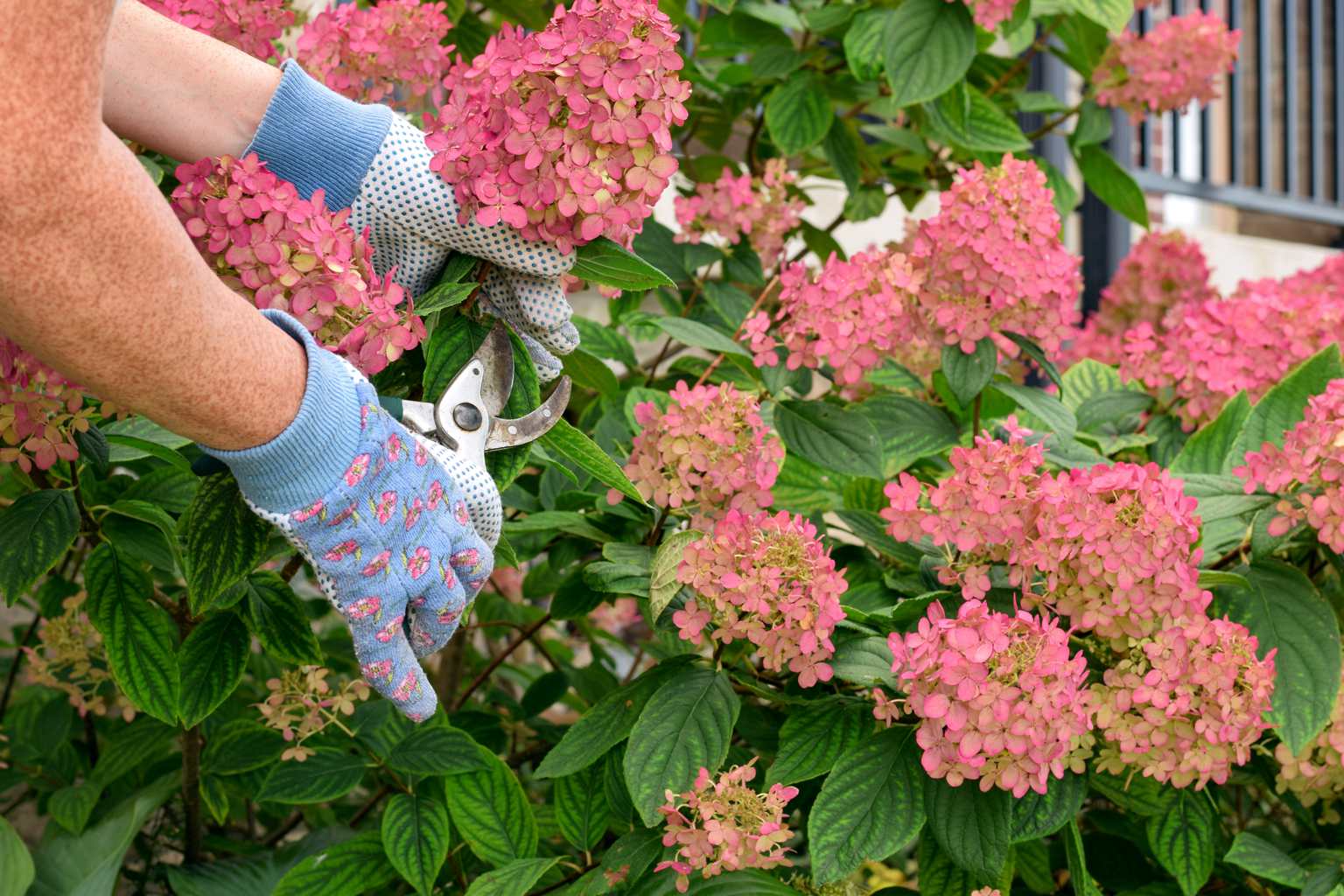
You might think you’re doing everything right, but if your hydrangeas are barely blooming, there’s a simple reason: you’re pruning them wrong. Luckily, a timeless Japanese gardening secret offers a gentle method that can transform your sad-looking bushes into breathtaking clouds of flowers. Ready to change your garden forever? Let’s dig into this ancient technique anyone can learn.
A Japanese philosophy that transforms your hydrangeas
Japanese gardeners view pruning as more than just cutting—it’s a respectful dialogue with nature. Their goal isn’t to dominate the plant but to support its natural growth, gently coaxing out its beauty without forcing it.
Unlike the harsh, aggressive pruning styles that many are used to, this approach revolves around delicate, thoughtful cuts that balance light, air, and branch placement. The result? A well-structured hydrangea that’s healthier, happier, and bursting with blooms.
Why this gentle method works better
The Japanese technique emphasizes air circulation and sunlight as keys to abundant flowers. Instead of heavy-handed cuts, only old or poorly placed stems are removed. This targeted approach stimulates new growth exactly where the plant thrives.
By avoiding overcrowding, you reduce the risk of disease and create room for fresh shoots. You’ll notice the difference quickly—flower clusters multiply, spread evenly, and your hydrangea looks revitalized. Even a modest patch suddenly becomes a showstopper with minimal effort.
Simple but precise tools for pruning
You don’t need fancy or expensive tools to get started. What matters most is sharpness and accuracy. A pair of quality pruning shears or garden scissors is sufficient. The key is making careful, deliberate cuts, avoiding any abrupt or careless snips.
This almost meditative practice encourages you to pause and observe your plants, focusing on each stem and branch before deciding what to trim. It’s less about speed and more about intention.
When and how to prune your hydrangeas
Timing is everything. Don’t prune too early or too late in the year. The ideal window is from September through the end of October, right after blooming season ends. At this stage, the plant begins to rest, and cuts heal faster.
When you start pruning, avoid removing large sections all at once. Instead, trim a few stems each year to maintain balance without stressing the entire bush. This steady approach fosters consistent growth season after season.
Common mistakes to steer clear of
Even with good intentions, some errors can sabotage your hydrangea’s potential. Cutting too much at once, pruning during the wrong season, or making jagged cuts can lead to fewer flowers or even plant damage.
Remember, regular and moderate pruning builds a strong foundation while reckless hacking often sets you back. Patience is truly your best friend in this process.
Tips to boost the wow factor of your hydrangeas
Pruning is just one part of creating stunning hydrangeas. To enhance their impact, try applying some natural mulch to keep roots moist and weeds at bay. Also, an occasional feeding with a balanced fertilizer helps maintain vigor and flower size.
Lightly shaking the blooms to remove spent flowers can encourage further blossoming. Small touches like these deepen the magic hidden in your garden’s floral displays.
Creating a Japanese-inspired garden vibe
To amplify the serene, elegant feel of your hydrangeas, consider pairing them with plants known for their calming presence, such as Japanese maples or bamboo. Simple ceramic pots combined with natural mulch create an authentic, peaceful atmosphere—perfect even for city balconies.
This approach blends aesthetics with simplicity, crafting an outdoor sanctuary that soothes and refreshes.
Watch your garden bloom season after season
Following the Japanese pruning method turns your hydrangeas into living art pieces that evolve beautifully year after year. You’ll notice:
– Fuller flower clusters
– Balanced, healthy branches
– A garden that renovates itself naturally
Each summer’s end brings new textures and colors to your outdoor space, all without needing to start over or overhaul your planting.
A mindful way to care for your garden
This technique is more than just a gardening tip—it’s an invitation to slow down and appreciate nature’s rhythms. I remember the first time I tried it: rather than rushing, I spent a quiet afternoon carefully assessing each branch, feeling surprisingly calm and connected.
In a world full of fast fixes and endless demands, this method offers a rare moment of peace. It’s about combining beauty, sustainability, and meaning in every snip.
So, are you ready to swap your clippers for a touch of magic? Share your thoughts or experiences below—how do you approach pruning in your garden? Let’s inspire each other to grow more vibrant, joyful spaces.