


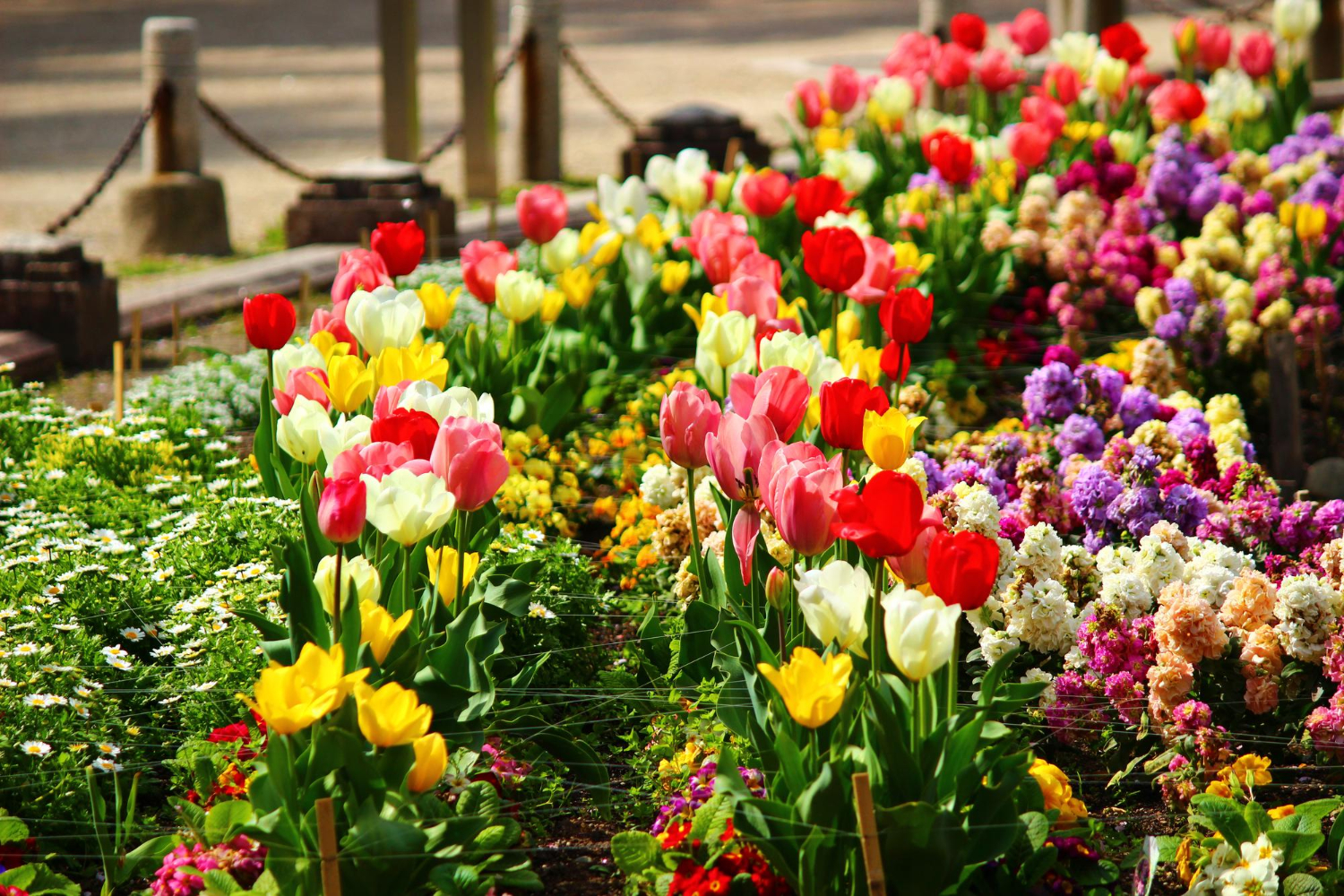
He was certain planting in the fall was pointless—until his garden blossomed like never before. Autumn often gets a bad reputation in the gardening world, seen as the season to wind down and await spring. But in reality, this is when the magic quietly begins beneath the soil, setting the stage for a spectacular bloom that will amaze come spring.
If you’ve ever hesitated to plant bulbs in the fall, this story might just change your mind. Read on to discover how autumn planting can transform your landscape and which bulbs promise the most breathtaking displays.
How planting in autumn changes your garden’s future
In the early days of fall, the ground stays warm enough to encourage bulbs to quickly establish strong roots. This is crucial because it allows the plants to build a solid foundation before winter sets in. Additionally, frequent rains provide perfect moisture levels, hydrating the soil without drowning it.
This seasonal sweet spot means bulbs aren’t stressed by summer’s heat or spring’s erratic dryness. The result? A garden that wakes up earlier, often showing its first blooms in February. Imagine a vibrant, colorful garden that stands out while everything else still looks dormant and gray.
The 8 must-have spring bulbs for an unforgettable garden
iris: elegance and resilience
If you want to combine beauty and toughness in one flower, the iris is an excellent choice. Depending on the variety, it blooms from late winter to early spring. This flower loves sunny, well-drained soil and works beautifully in beds or borders. Their colors range from deep blues and rich purples to soft yellows, offering a brilliant splash of color without needing expert care.
daffodil: the symbol of new beginnings
Nothing says spring like the bright yellow daffodil. Plant this cheerful bulb in September or October, and it will faithfully return year after year with minimal fuss. It’s adaptable too, thriving in flower beds, edges, or containers, and even tolerates wetter soil conditions better than many bulbs.
narcissus: delicate and versatile
Often confused with daffodils, narcissus bulbs offer a stunning variety of shapes and fragrances. They can be planted all the way through December, but those September plantings benefit from the soil’s lasting warmth, encouraging faster root growth. They look magnificent when grouped together in clusters, creating a bold visual impact.
crocus: the early spring heralds
These small but mighty bulbs often poke through snow, emerging in late winter to inject life into lawns, rock gardens, or walkways. Crocuses come in shades of violet, yellow, and white. Beyond their beauty, they play a critical role as the first attractors of pollinators when the garden is just waking up.
snowdrop: quiet resilience
True to their name, snowdrops break winter’s chill with subtle, delicate flowers as early as February. They prefer cool, shaded, and moist spots such as beneath deciduous trees, basking in filtered light during winter and retreating to shade in summer.
grape hyacinth: easy and dependable
Don’t underestimate the charm of grape hyacinths, which boast clusters of tiny blue bells. They are perfect for gardeners seeking low-maintenance plants. Planted in early fall, they come back year after year and handle climate shifts gracefully.
allium: the geometric garden star
With their striking spherical purple blooms on tall stems, alliums add a strong architectural element. They prefer dry, well-drained soils and attract bees and other vital pollinators. Their unique shape brings texture and interest to any garden space.
hyacinth: fragrant and gentle
Hyacinths enchant with their intense perfume and soft colors. Ideally planted in November, you can also plant them earlier if the ground is still warm. They adapt well to both garden beds and containers, making them versatile options for indoor and outdoor spaces alike.
Tips for planting bulbs successfully
Planting bulbs in autumn does require a bit of strategy. Always aim to plant when the soil is still warm but getting cooler. This will help bulbs settle in comfortably. Dig holes that allow bulbs to sit at a depth roughly three times their height, and ensure you have good drainage to prevent rot during wet winter months.
Using a balanced fertilizer or some compost when planting can give your bulbs a helpful nutrient boost. Also, labeling your bulbs ensures you don’t forget where you planted specific varieties — trust me, this saved me lots of disappointment the following spring!
Embracing patience for an extraordinary reward
Gardening has taught me that some of the most beautiful gifts come from patience. Planting bulbs in the fall feels like a quiet promise to your garden — a promise that after the cold and quiet of winter, life and color will burst forth in joyous abundance.
Imagine stepping outside on a chilly February morning to a yard bursting with purple irises, yellow daffodils, and delicate snowdrops peeking through the thawing ground. It’s a feeling of wonder and a celebration of nature’s resilience.
So why wait for spring to start your next gardening adventure? This fall, try planting bulbs and watch your landscape transform. And if you have a favorite bulb or a fall gardening tip, share it with us below—let’s inspire each other!
What’s your experience with fall planting? Have you seen a beautiful early spring bloom surprise you before? Drop a comment and let’s chat!